
 Locations



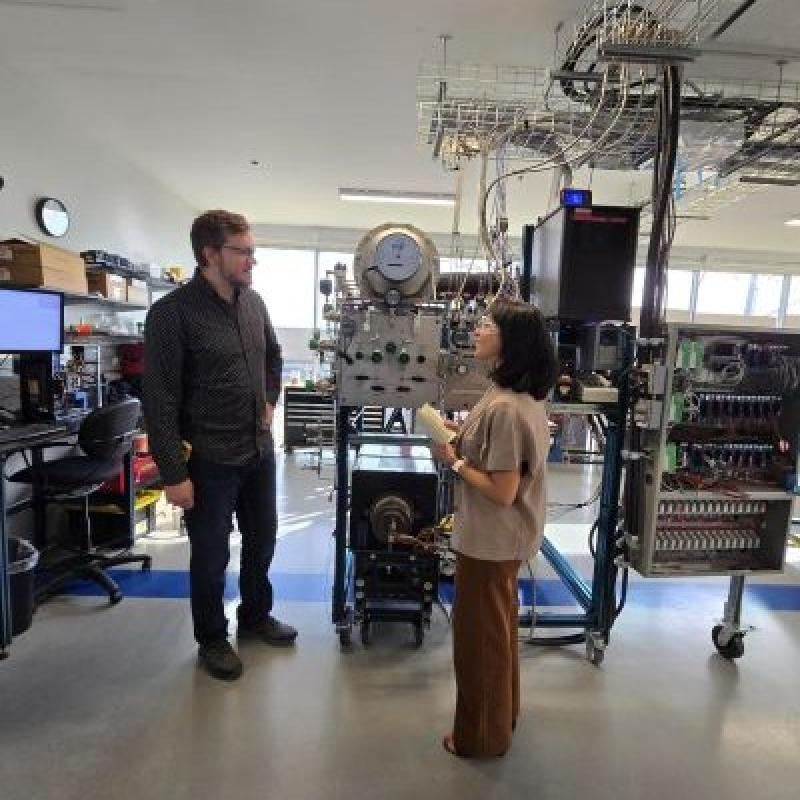
Carbonova Corp. has secured $13.6 million in financing to build its first commercial-demonstration unit to transform captured greenhouse gases into high-performance carbon nanofibres, the cleantech company has announced.
Calgary-based Carbonova closed a $5.1-million equity financing round from a syndicate of strategic and private investors, it said, adding to the almost $4.4 million in grant funding it received from Emissions Reduction Alberta.
Its remaining capital needs are being met through a mix of investments, partners, and funds from previous rounds, including the $6-million funding it closed in 2024 led by South Korean chemical and textile manufacturer Kolon Industries.
The company’s commercial-demonstration unit, named CDU-25, will be built in Calgary. Using Carbonova’s patented process, it will convert carbon dioxide (CO2) and methane into 25 tonnes of carbon nanofibres per year. The project is on track for commissioning in mid-2027, Carbonova said, and front-end engineering design is “well underway and progressing quickly.”
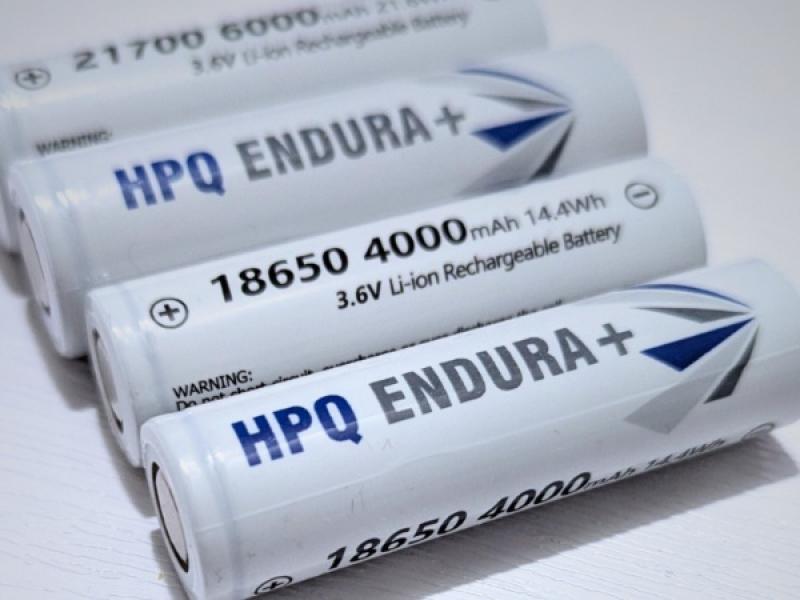
Carbon nanofibres can be used in batteries, plastics and construction, turning planet-warming gases into materials that strengthen composite plastics, enable lithium-ion batteries to charge faster, and lead to more durable concrete.
"Closing this round oversubscribed reflects strong confidence in our technology, our team, and our global potential," Carbonova’s CEO Mina Zarabian said in the announcement.
Carbonova’s commercialization concept
Carbonova was co-founded in 2018 by Zarabian and Pedro Pereira Almao, an entrepreneur and retired professor.
The company’s technology employs an energy-efficient process involving temperatures around 500 C to turn CO2 and methane into carbon nanofibres. For every kilogram of the nanofibres produced, it removes 1.8 kilograms of CO2, the company states on its website.
Carbonova’s fibre “outperforms alternatives like carbon black, graphite, or carbon nanotubes on quality, cost, carbon footprint, and ease of integration,” the company said in the Wednesday release.
In a 2023 interview with Sustainable Biz Canada, Tim Stauft, then-executive advisor to Zarabian, said Carbonova had a pilot facility in Calgary that was producing materials for distribution to global customers.
That year, Carbonova signed agreements with Swiss building materials company Holcim and French plastics manufacturer SIKA for a $1.5-million project to use Carbonova’s technology in their operations, with Emissions Reductions Alberta contributing $500,000.
Stauft said Carbonova received “numerous inquiries” from U.S. companies. It also struck up development agreements with automotive parts manufacturer Magna International Inc. and chemical company BASF.
When CDU-25 is complete, the company plans to commission a full-scale manufacturing facility and deploy modular, licensed units across industrial partner sites around the world.
Carbonova’s production can be scaled quickly and the nanofibres easily transported using existing infrastructure, allowing for efficient market access, the company said in the release.



 Industry Events
 Locations