


 Locations




Nova Sustainable Fuels is planning a $6-billion Nova Scotia project that would turn renewable electricity and forestry waste into 165,000 tonnes of low-carbon aviation fuel annually, targeting a European market where regulations are driving demand.
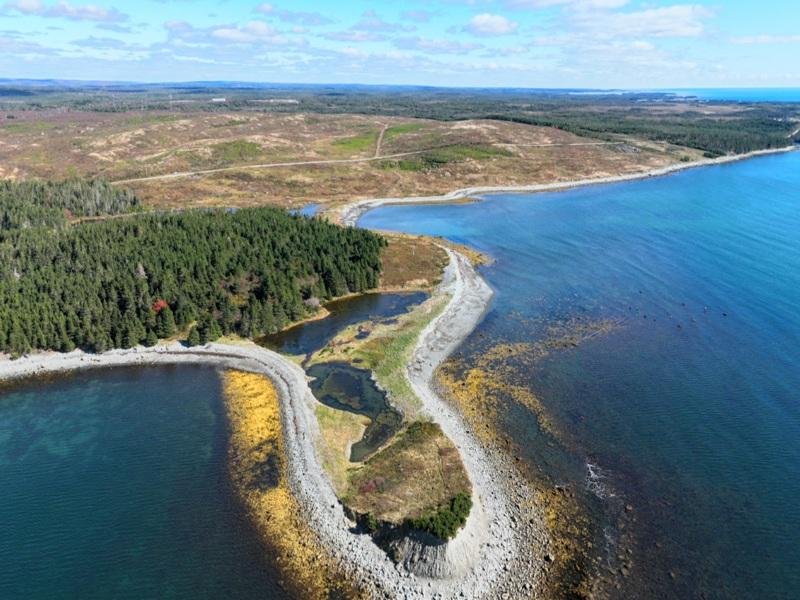
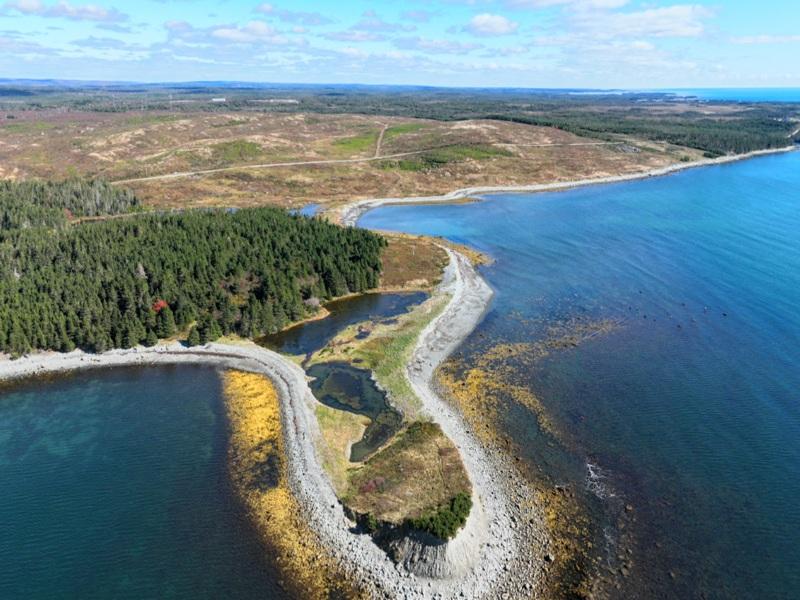
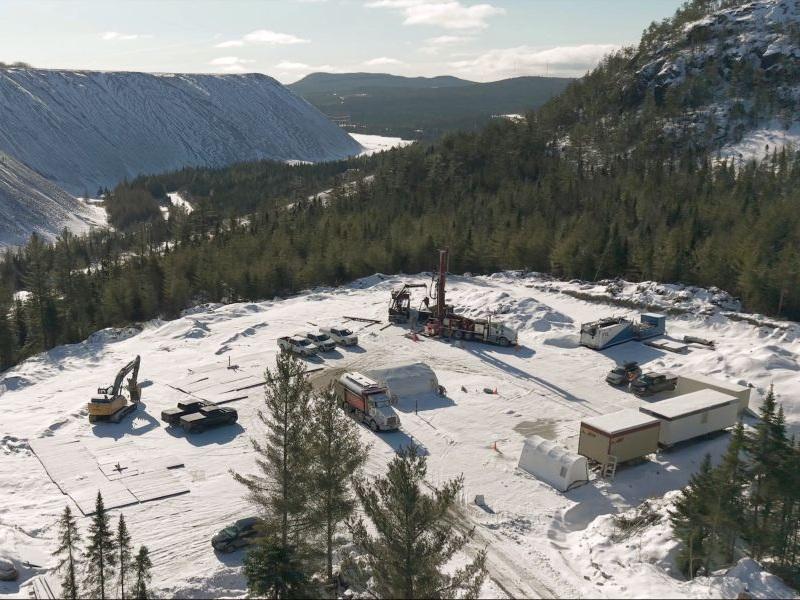
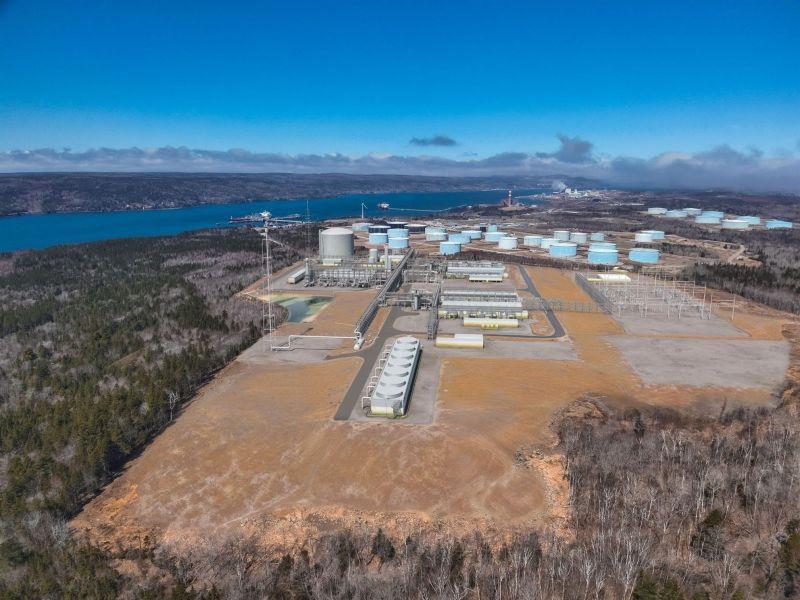
Nova plans to develop the Renewable Energy Park (REP), a coastal facility in Goldboro that would convert forestry waste sourced in the province into sustainable aviation fuel (SAF). The park would be powered by a vast onshore wind and solar project to its west in the District of Saint Mary’s with approximately 1.1 gigawatts of capacity.
Nova project director Andrew Parsons told Sustainable Biz Canada that Nova Scotia offers “tremendously competitive onshore wind speeds for renewable generation, as well as fairly healthy solar capacity as well.”
Other advantages include an abundant biomass supply, access to ice-free tidal waters for an industrial facility, and support from governments, First Nations and local communities.
These attributes put Nova “in a very, very competitive position in a market that’s struggling to find supplies of this sustainable fuels today,” Parsons said.
Wind, water, wood to fuel
A company funded by U.K.-based renewables developer Octopus Energy Generation, Nova plans to install enough generation capacity for approximately 800 megawatts (MW) of wind power and 300 MW of solar power, with a transmission line that connects the renewable energy to the REP. Nova also has plans to develop the marine facilities to transport the fuel to buyers.
The renewable energy production is proposed to be located approximately 65 kilometres away from the REP, with the solar component expected to occupy approximately 1,500 acres. Around 130 wind turbines are to be installed.
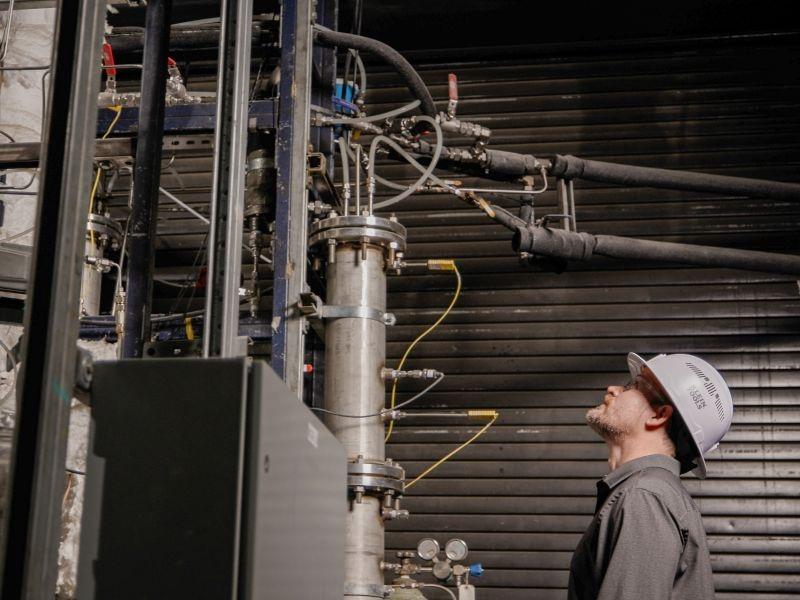
The electricity would power the REP, where woody biomass from local forestry operations is to be gasified to produce hydrogen and carbon. Additional hydrogen would be produced through electrolysis, which uses electricity to split water. Next, the hydrogen and carbon would be synthesized into SAF and methanol through a gas-to-liquid process.
The methanol, which can serve as shipping fuel, could be further processed into kerosene, forming a drop-in SAF that is a less carbon-intensive replacement for jet fuel derived from fossil fuels.
The SAF, Parsons said, is expected to have carbon intensity at least 85 per cent below the fossil fuel equivalent.
Supplying the EU market
Once the SAF is made, it is to be blended for the European market, which has “tremendous policy support” for the product, Parsons said.
The ReFuelEU Aviation Regulation of the European Union (EU) has set a minimum supply mandate for SAF, starting with two per cent in 2025 and climbing to 70 per cent in 2050.
Parsons declined to disclose the expected price of the SAF, but said it would likely command a premium. SAF production remains a tiny portion of the jet fuel market, making up less than one per cent of overall consumption in 2025, the International Air Transport Association said. The high cost of SAF has hindered wider adoption, even though aviation fuel is the industry's main source of greenhouse gas emissions.
Nova is optimistic it can secure buyers because it would use renewable energy generated at a competitive price and draw upon biomass that meets EU standards.
The company is on track to make a final investment decision in late 2028, Parsons said. The hope is to have construction done over three years, with commercial operations starting in late 2031.
'A strong market'
The REP was significant enough to be listed on the prospectus for the Canada Investment Summit — the Canadian government’s pitch to attract billions of dollars of infrastructure financing into the nation.
“We were quite happy to make that list, but not surprised that we did,” Parsons said.
Nova has heard support from the provincial and municipal governments for its project, and Parsons emphasized how the REP is aligned with the Canadian government on its climate and economic goals.
The company is working to address local concerns about biomass transportation and water use, Parsons said. Nova could adjust the design of the REP to mitigate those impacts, he added.
Nova Scotia is emerging as a magnet for major wind energy projects. One such development is in the works by EverWind Fuels, which shares a similar intent with Nova.
Projects such as the REP would be among the first in the world to produce SAF using renewable energy. Parsons said Nova is confident in the project's prospects, citing market fundamentals and the EU's commitment to SAF, which he said creates “a really strong market” for the fuel.


 Industry Events
 Locations

