
 Locations





Global growth is in the sights of pH7 Technologies Inc., a Vancouver-based company behind a sustainable process of extracting critical minerals from the recycling and mining industries.
In early December, pH7 closed a $25.6-million (all figures US) Series B fundraise round led by Cambridge, Mass.-based Fine Structure Ventures. The funds will finance a plan to deploy its modular critical minerals processing technology to smelting sites and recycling facilities around the world.
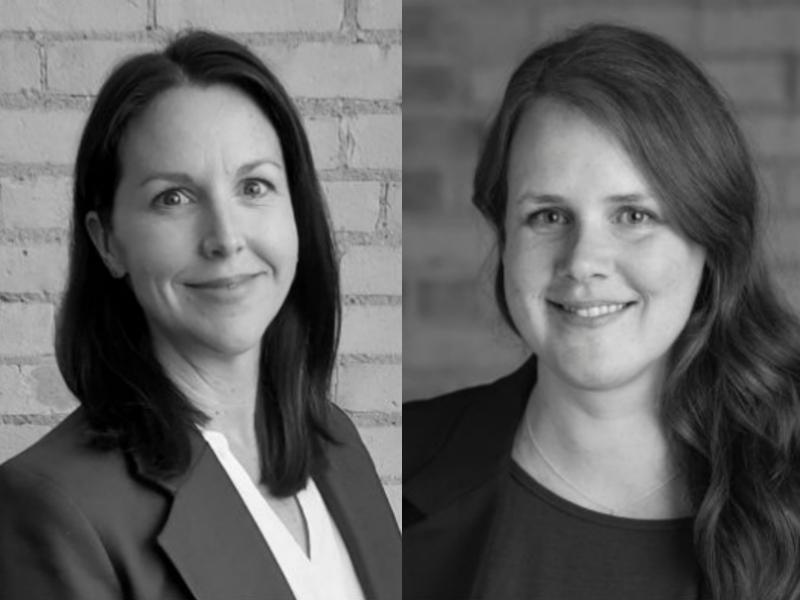
pH7’s technology can extract copper, platinum, rhodium, palladium, gold and iridium, with the ability to add nickel, cobalt and silver. Such metals are vital to manufacturing electronics and renewable energy equipment. For example, copper is the “backbone and major bottleneck” for electrification, Mohammad Doostmohammadi, the CEO and founder of pH7, told Sustainable Biz Canada in an interview.
But the critical minerals supply chain is dominated by China, presenting political risks and contributing pollution from transporting ore and the smelting process. There is also a predicted shortage of critical minerals, including copper, in the coming decades.
pH7 looks to minimize those risks by bringing the processing and production of critical metals to a mine or recycling facility, Doostmohammadi said, “eliminating overseas shipments and smelting.” By addressing recycling and low-grade ores, more metals can be squeezed out of typically discarded materials.
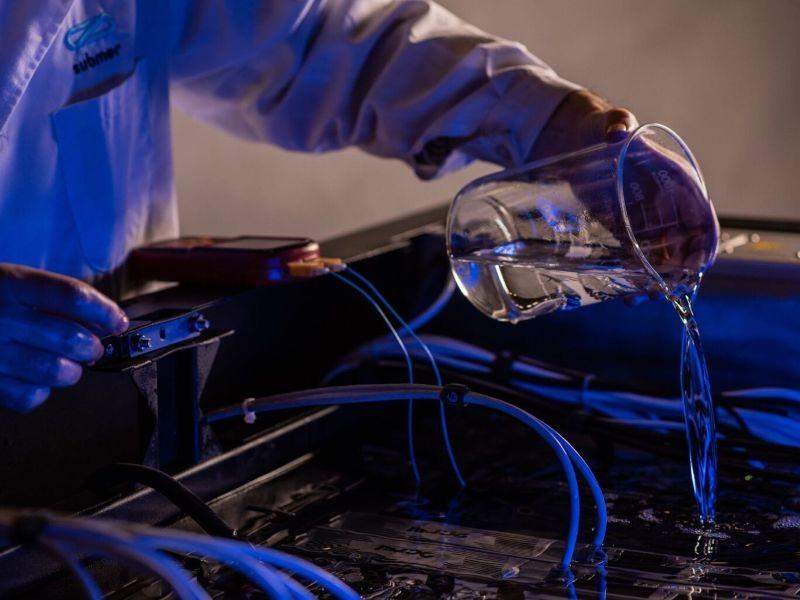
The company’s process is highly sustainable, he said. It does not require any burning or melting in smelters, instead using a low-voltage organo-electrochemical procedure. Compared to conventional metal extraction, energy use is slashed by 90 per cent and carbon emissions are nearly eliminated if the technology is powered by a clean grid, Doostmohammadi said. Nitrous oxide emissions or wastewater effluent are also eliminated.
pH7's expansion plan
The company plans to move its mining operations from pilots to commercial-scale in next two years with the Series B.
It is working with Canadian, U.S., South American and Asian partners in the copper mining sector. The intent is to empower its partners to “take ownership of the metals,” Doostmohammadi said, rather than hand over control to smelters.
On the recycling side, pH7 plans to integrate its technology into the operations of large recycling businesses and manufacturers. It can be used to recover platinum group metals from spent catalysts generated by the oil and gas, chemical and pharmaceutical industries. In the next two to three years, pH7 expects to expand its recycling operations into electronic waste such as discarded lithium-ion batteries.
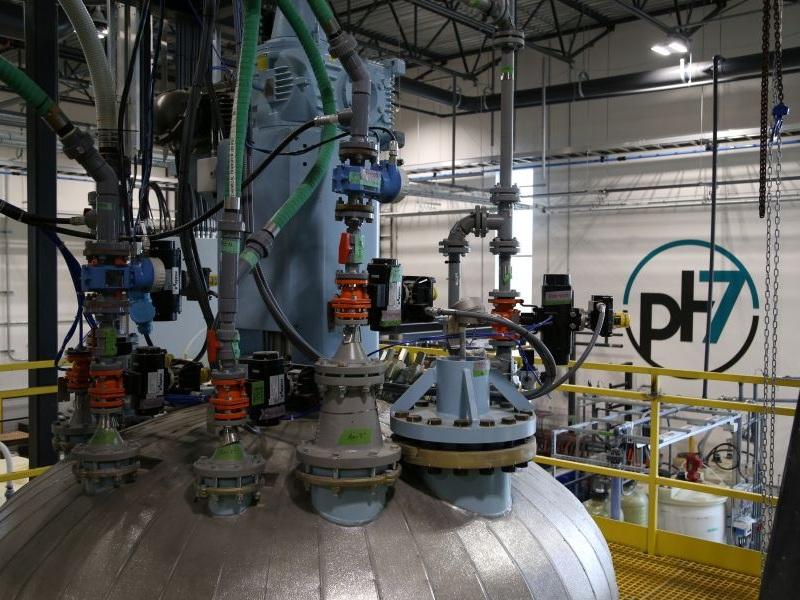
pH7’s pilot facility in Vancouver can process 30 tonnes of recycled materials per month. The company plans to increase the capacity to 100 tonnes per month by the end of 2026, with the goal of expanding assets like this to the world.
In June, pH7 announced a strategic roadmap with the target of a processing capacity of 25,000 tonnes of recycled materials per year by 2028.
Doostmohammadi’s goal is for pH7 to have a presence in five mining operations and three to four recycling facilities around the world in the next five years. He anticipates the company will have offices in Asia, the U.S. and South America in the same period.
The Series B round follows up on a $16-million Series A the company closed in 2023. The Series B is expected to exceed $30 million across subsequent closings.
Critical minerals a priority
After a year where investment into sustainable solutions has been challenged, Doostmohammadi said if a company has “a business case, then you can survive.”
It is critical to demonstrate the value a company can provide to its partners, he explained, a benefit Doostmohammadi believes pH7 is providing with sustainability, unlocking resources and increasing revenue.
Also, the company is buoyed by the attention governments have put on securing critical minerals.
Governments in Canada, the U.S. and the EU have prioritized critical minerals supply chains in their economic planning. Canada, for example, is a part of the Critical Minerals Production Alliance, a G7-led initiative to “diversify and secure global critical minerals production and supply.”
The Canadian government has backed companies like Nouveau Monde Graphite and Vianode for such a purpose.
“We are in that crossroad ... I see a lot of need in the market, especially for our critical metal extraction,” Doostmohammadi said.


 Industry Events
 Locations