Locations





The acquisition of geothermal utility Subterra Renewables is a "natural fit" for Forum Asset Management, a senior figure from the investment and development firm said.
Announced in late April, Forum acquired the assets, operations and employees of fellow Toronto-based company Subterra, including its portfolio of geoexchange systems used in thousands of residential units in Ontario. Subterra has become a fully integrated business under Forum and will continue under its brand.
The two companies started their relationship as joint venture partners in 2019. Since then, “We’ve seen what Subterra is capable of as a leading platform in the space,” Rob Kaplan, a partner in Forum’s private equity business, said in an interview with Sustainable Biz Canada.
The acquisition provides Subterra with stability and institutional backing through access to Forum’s capital platform and developer relationships, Kaplan said.
“The case for geothermal has been clear to us for years,” he added. Kaplan specified the benefits of decarbonizing building operations, protection against fuel price volatility and lower life-cycle costs compared to conventional equipment.
“When you think about geothermal, it’s aligned with every policy target the federal government has set around net-zero.”
Subterra in a "tailwind" industry
Forum is an investor, developer and asset manager in real estate, private equity and infrastructure with approximately $4 billion in assets under management. Its private equity business has invested in sustainable enterprises including a portfolio of residential rooftop solar systems in Ontario.
One of its investment priorities is long-duration assets in tailwind industries, Kaplan said. A company that meets that criteria is Subterra, which develops and operates geothermal heating and cooling infrastructure primarily for housing.
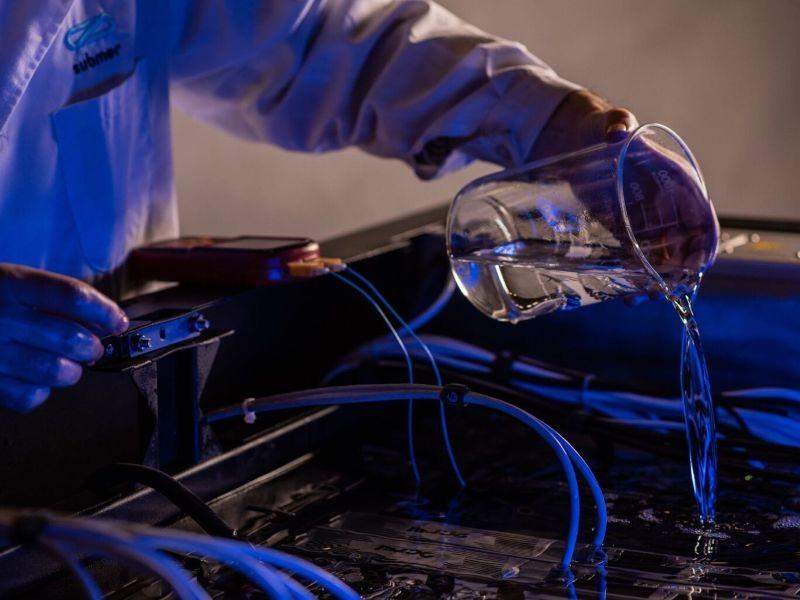
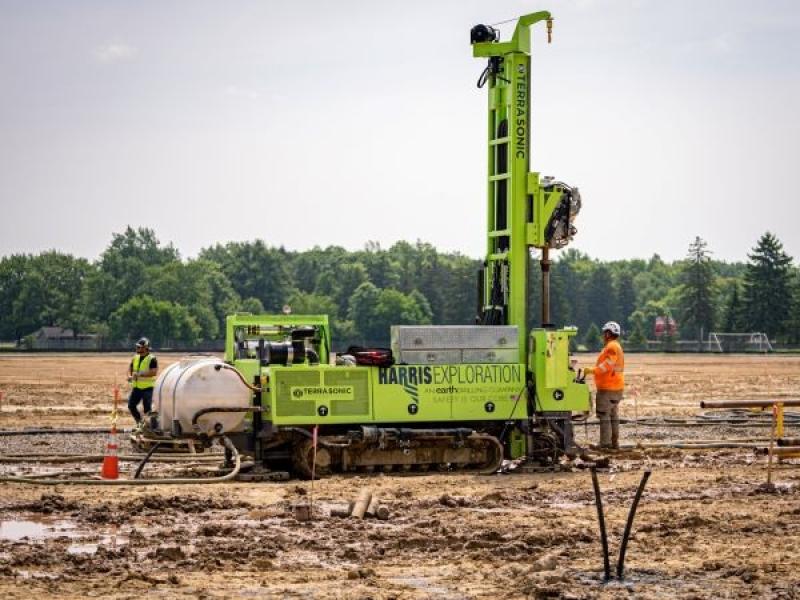
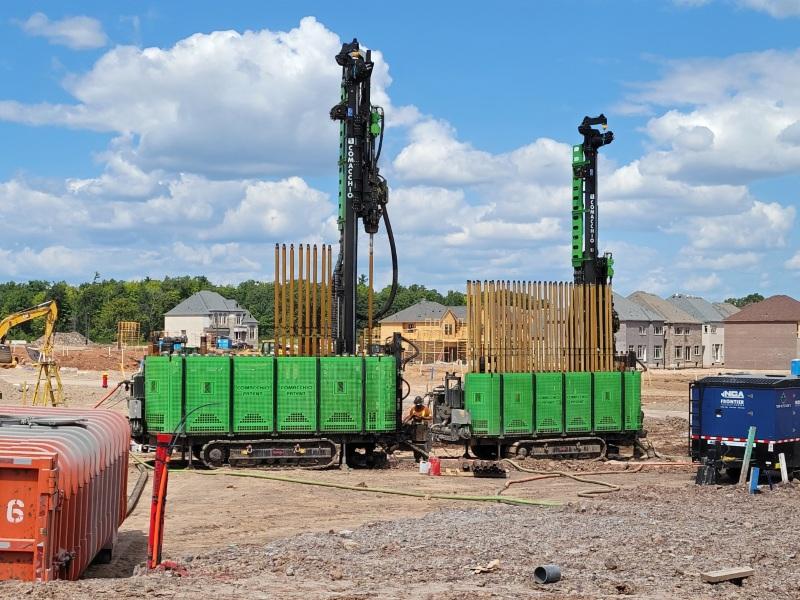
Subterra's geoexchange technology taps into the consistent temperatures found below the ground as a thermal battery. When heating is needed, it pulls thermal energy from underground and circulates it through the building’s network of pipes and fluids. Conversely, when the building needs to be cooled, the system extracts heat from the building and transfers it underground.
A significant portion of Subterra’s portfolio is made up of condos in Ontario.
Kaplan would not disclose the number of systems Subterra has in service, but clients include Mattamy Homes and Oberlin College in Ohio. Forum had Subterra install its geoexchange system in its real estate projects such as 15–17 des Oblats in Ottawa and Alma in Toronto.
When Forum and Subterra forged their partnership in 2019, the goal was to build a portfolio of geothermal systems in Ontario under a utility-like format called energy-as-a-service, Kaplan said, and offer it to developers and real estate owners. The model has Subterra build, finance and operate the building’s geoexchange system over the life of the contract while the client pays a monthly fee.
The acquisition reflects Forum's conviction in the geothermal opportunity in Ontario, Kaplan said. When an opportunity for direct ownership opened up, Forum moved quickly, he continued.
Kaplan would not disclose the value of the acquisition or the number of Subterra employees being added to Forum.
Subterra's growth strategy

Forum does not anticipate many changes to Subterra’s business following the acquisition, Kaplan said. One shift he expects is enabling Forum to “better service our own customer base and scale across new and existing markets.”
The real estate industry’s push for decarbonization and government climate initiatives have favourably shifted attitudes for the geothermal industry since 2019, Kaplan said. The industry has embraced the technology for its reliability, economic efficiency and durability, he explained.
Forum will concentrate on three areas for growing Subterra.
First is finishing its current projects. Second is deepening relationships with developers, so when the Toronto condo market bounces back it can pounce on the opportunity to present itself as the green option for heating and cooling. Third is exploring new markets such as building retrofits and asset classes like commercial buildings.
Retrofits are a “massive market opportunity” and a “game changing opportunity” that can deliver significant greenhouse gas emission reductions, Kaplan said. There are millions of buildings that have to be retrofitted to meet the Canadian government’s net-zero target, and technologies like geoexchange can accelerate the transition from gas-powered heating and inefficient HVAC systems.
Subterra is also actively pursuing projects in other Canadian regions, and the U.S. As the company evolves, those regions could be a natural extension of its footprint, Kaplan said.



 Industry Events
 Locations