Locations





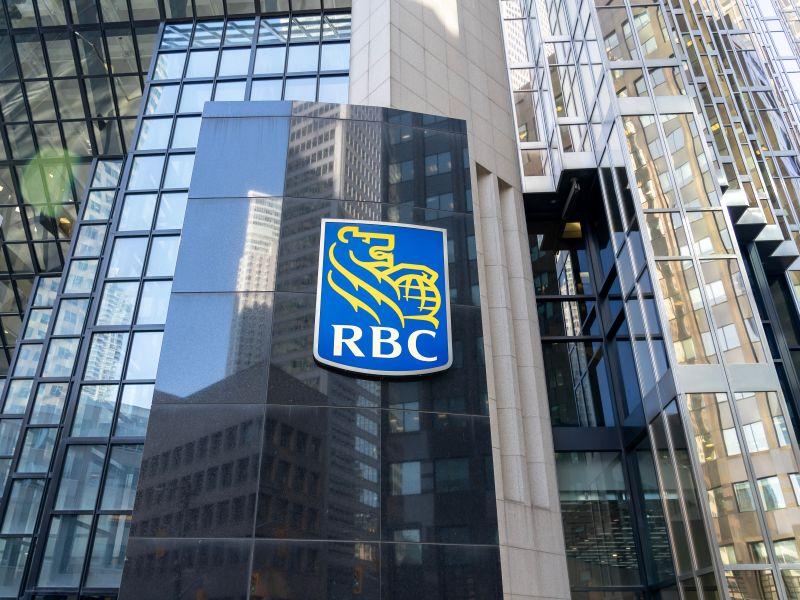
RBC (RY-T) and Pontegadea have committed to put RBC’s Toronto headquarters on the path to net-zero by 2040, addressing the carbon emissions from the bank’s third-largest commercial office space.
The plan is centred around Royal Bank Plaza. The owner of the 1.5-million-square-foot building with 24-carat-gold-tinted windows is Pontegadea, the investment company of Spanish billionaire Amancio Ortega, the founder of fashion company Inditex. RBC leases over 600,000 square feet in the building.
Under the lease agreement signed by both companies, Pontegadea is to develop a decarbonization roadmap for Royal Bank Plaza in consultation with RBC. It is expected to outline how the building’s fossil fuel-powered systems will be switched to electricity, for example, significantly diminishing carbon emissions.
“That really provides us that comfort and pathway of how they would achieve this to make sure it’s a viable step forward for the building and the associated capital plan schedule,” Jon Douglas, the senior director, head of climate operations at RBC, said in an interview with Sustainable Biz Canada.
Decarbonizing Royal Bank Plaza
The strategy falls under RBC’s Landlord Engagement Program, which integrates climate-focused clauses within the bank’s agreements for new and renewed lease agreements. Land owners are asked to commit to climate-focused actions and share relevant climate data with RBC, for example.
For the decarbonization roadmap, Pontegadea is to deliver the options it has to transform Royal Bank Plaza into a net-zero building by 2040. That includes understanding the building’s source of carbon emissions, the pathways to reduce the pollution, the capital plan to fund the conversion and a timeline.
Most of Royal Bank Plaza’s greenhouse gas emissions arise from its heating system, Douglas said, making it a priority to address through electrification.
Pontegadea is expected to show the plan to RBC in early 2027, he said.
Turning the 180-metre-tall building into a net-zero property involves reducing over 90 per cent of its operational emissions, Douglas explained.
“This building is an iconic address for us,” he said. Given the amount of space RBC leases in the property, “it was important for our ambitions that this is aligned” to its climate strategy.
RBC’s climate strategy
Among RBC’s priorities to achieve its climate goals are reducing the carbon emissions from its operations and the over 23 million square feet of office and retail space it leases and owns around the world.
A major part of that strategy is retrofitting over 60 per cent of the Canadian retail banking branches it controls with electric heating and cooling systems, which is projected to cut the greenhouse gas emissions per site by 70 per cent.
RBC announced plans to cut down the carbon emissions from the Canadian retail branches it leases from CT REIT, First Capital, Morguard and Choice Properties.
Royal Bank Plaza is not the first major Toronto office building RBC has put on the path toward net-zero. The bank partnered with Cadillac Fairview to make the RBC Centre in Toronto a net-zero building by 2040.
In 2025, RBC had almost 9.4 million square feet of green building-certified office space from organizations like LEED, BOMA and the Canada Green Building Council, according to its sustainability report for that year. That translates into 42 per cent of its applicable leased and owned buildings in its global portfolio with at least one green building certification.
The figure is a slight increase from 2024, when RBC had 9.16 million square feet of office space certified.
RBC sources all of its electricity from renewable energy, primarily through energy attribute certificates.
The greenhouse gas emissions from its operations and buildings, categorized under Scope 1 and 2, fell by 70 per cent in 2025 compared to RBC’s 2018 baseline.
RBC’s operational emissions, however, are dwarfed by the greenhouse gases associated with its lending and investments, which were in the millions of tonnes of carbon dioxide in 2025 from industries such as oil and gas, power generation and agriculture.
The bank maintains its ambition to have net-zero emissions in its lending by 2050.


 Industry Events
 Locations