Locations

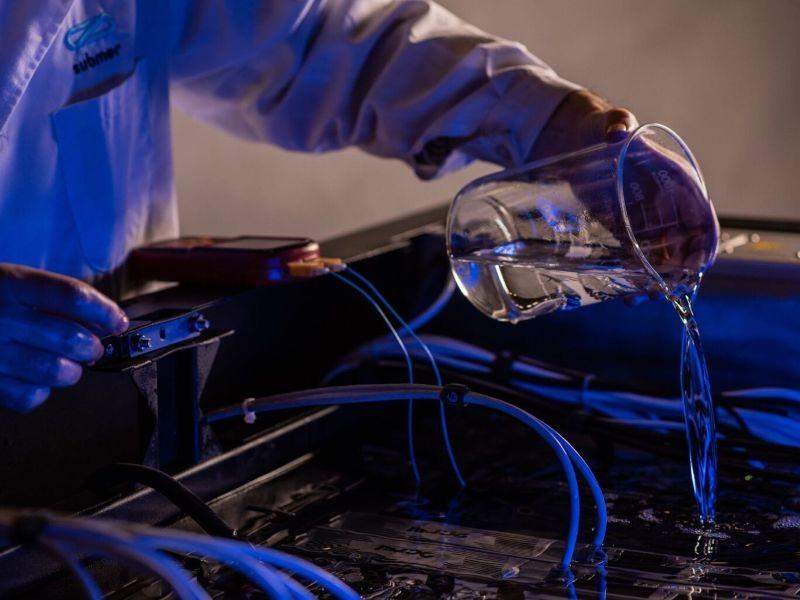





The chemicals industry is a significant contributor to greenhouse gas emissions. Burnaby, B.C.-based Anodyne Chemistries has a plan to address this with a bioelectric process that opens up low-carbon chemicals production.
Founded in 2021 by chief technology officer Manou Davies, her high school chemistry tutor Robert Greene, and CEO Iain Evans, Anodyne is a startup “inspired by nature,” Evans said in an interview with Sustainable Biz Canada. Evans joined Anodyne via Syniad Innovations, an early investor in the company.
Davies and Greene developed the bioelectrochemical manufacturing process that underpins the company. Anodyne is based on the premise that “if enzymes can sustain all life on the planet, it might be quite good at making chemicals industrially,” Evans said.
Having earned millions of dollars in grant funding from organizations like Natural Resources Canada, Anodyne received a $1-million investment from NorthX Climate Tech in late May to support its pilot facility in British Columbia.
The project is intended to be an early step in its ambition to be a major producer globally.
Anodyne’s bioelectrochemical manufacturing
The chemicals industry is a source of global greenhouse gas emissions, with estimates ranging from 2.6 per cent to five per cent. Petrochemicals are a main feedstock in the sector and the industrial processes to produce chemicals require heat and pressure often sourced from fossil fuel-generated energy.
Anodyne was formed to address this problem. Davies and Greene drew from the way nature can generate certain chemicals through enzymes, which are biological catalysts. The duo applied that principle to chemicals manufacturing with electrons powering the enzymes and using carbon dioxide (CO2) as the feedstock.
Reactors containing enzymes and CO2 which are given a jolt, galvanizing an interaction which outputs chemicals like formates, a family of chemicals used in de-icing, as well as formaldehyde and methanol.
“Our enzymes are highly efficient . . . it doesn’t take as much energy for that transformation,” Evans said. Producing one tonne of formate products in the conventional way ends with seven tonnes of CO2, he explained. Anodyne's technology produces 0.5 tonnes of CO2 per tonne of chemicals.
The company’s process not only lowers CO2 emissions, Evans added, but locks the greenhouse gas into the product. The chemicals would only release CO2 if exposed to extremely high temperatures, Evans said, which would be unlikely given the sectors it plans to concentrate on such as de-icing products or cement and concrete.
Affordable, low-carbon chemicals
Anodyne’s bioelectrochemical technique is economical and sustainable, Evans said. To its potential buyers, “cost is king, so they want to see sustainable technologies be at cost parity with the conventional.”
Unlike its mainstream competitors, Anodyne replaces the pricier feedstocks derived from natural gas with electricity and CO2. Electricity in Canada, Evans said, is quite affordable and clean, while the price of natural gas tends to fluctuate.
Anodyne is targeting commercial production at over 10 per cent less in cost than Chinese incumbents. For formates production, this makes Anodyne “a really exciting prospect for scaling up because we’re not a premium sustainable product. We are a cost-competitive product today,” Evans said.
Over time, the goal is to have Anodyne produce a wider range of chemicals such as those used to make fragrances and cosmetics.
Breaking into chemicals production
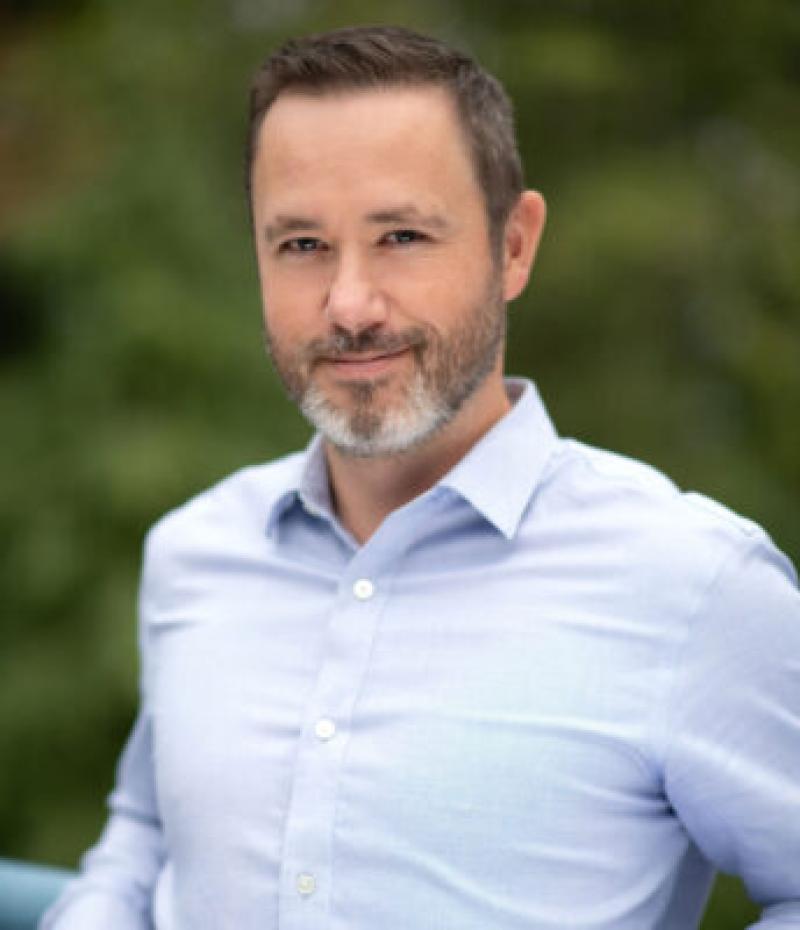
Anodyne is collaborating with biogas producers such as FortisBC and corn ethanol producers to source CO2 for feedstock. It wants to work with carbon capture equipment operators in the future, Evans said.
To attain commercialization, Evans’s ambition is to have Anodyne produce and sell chemicals like de-icing fluids, license its technology to other companies, and perform contracted research to explore new chemical manufacturing processes.
In Delta, B.C., Anodyne has a pilot facility where it is conducting commercialization testing and producing samples for its partners.
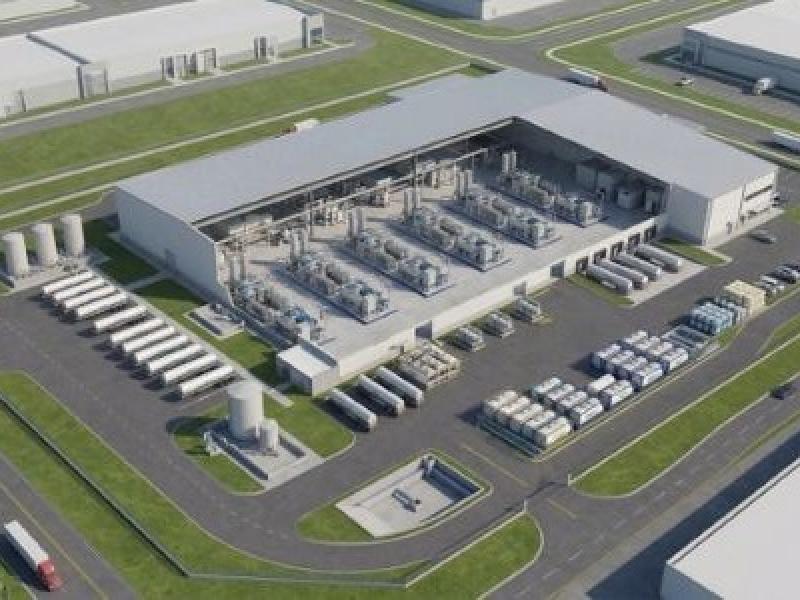
A next step for Anodyne is pursuing equity finance to develop the EZ Formate Pilot Plant, its commercial demonstration plant which is to be in British Columbia. The province’s electricity is almost entirely generated by renewable sources, ensuring low-carbon chemicals production.
The expected capacity is 10,000 tonnes of chemicals per year, made operational between 2028 and 2029, and the expectation is to close the funding round in the next six months.
At full commercial scale, Evans’s goal is to have Anodyne factories that can produce hundreds of thousands of tonnes of chemicals per year.
In the long-run, his dream is to build Anodyne to a business that can generate hundreds of millions of dollars in revenue and be valued in the billions of dollars. Such a feat has not been achieved by a new chemicals firm in decades, Evans said.
“If we want to be a manufacturer at scale, that’s ultimately what we’ve got to shoot for.”


 Industry Events
 Locations