Locations




As development projects multiply around its territory, the Pabineau First Nation is developing a technology-powered system that combines artificial intelligence with Indigenous knowledge to monitor the environment and identify potential threats to its community.
Called Mother Earth Watcher, the initiative was developed with New Brunswick-based SeafarerAI Technology Inc. to observe environmental conditions and alert the community to potential threats to its people and territory.
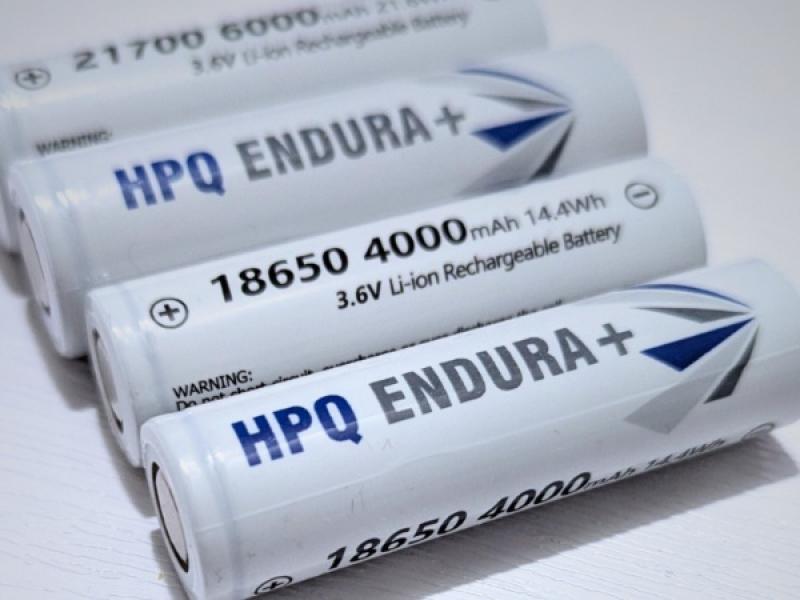
The Pabineau First Nation is particularly concerned about the potential risks posed by a number of proposed and developing infrastructure projects near its territory, Chief Terry Richardson said in an interview with Sustainable Biz Canada. Those include a copper mine, a biochar facility in Quebec and the Project Positive+ precursor cathode active materials production facility, in which the First Nation is involved.
While the Pabineau First Nation, a community of approximately 400 members in northern New Brunswick, is keen on advancing economic opportunities, it does not want such gains at the cost of the environment, Richardson said.
Indigenous communities have raised concerns about the environmental and health impacts of natural resource development, including projects in and around their territories. Ensuring those concerns are identified and addressed is a key objective of Mother Earth Watcher, Richardson said.
“I think this is a great tool that’s going to enable First Nations to control our concerns and enable us to monitor projects as they move forward.”
Collecting, analyzing environmental data
In most cases, a project developer hires an environmental consultant to establish a baseline before a project begins. But continuous monitoring after a project is complete and operating is rare, Richardson said, leaving communities with limited ability to track changes over time. Mother Earth Watcher is intended to fill that gap.
Enter SeafarerAI. The technology that underpins Mother Earth Watcher consists of an array of sensors that monitor an area for changes in the air, water and soil, captured by drones, balloons or people who collect samples.
The samples would be collected and analyzed in a lab housed in a mobile shipping container. An artificial intelligence tool would warn the Pabineau First Nation about any changes to the baseline, such as if water quality has worsened. Additionally, the insights from Mother Earth Watcher could be compared to data from project proponents.
If concerns are discovered, they can be addressed early, Richardson said.
Guarding Indigenous memory
Mother Earth Watcher would also serve as a repository for Indigenous knowledge. The Pabineau First Nation is collecting the knowledge, stories and language of its elders that have been passed down as another source of data.
The Indigenous knowledge can help set a baseline for Mother Earth Watcher, Richardson said, such as where animals were hunted in the territory and if there has been an increase or decrease in animal populations.
Indigenous communities are in grave danger of losing their knowledge and language, Richardson said. The aim is to have Mother Earth Watcher be an environmental monitoring service and an archive of the community that can be preserved and passed on to future generations.
Mother Earth Watcher has been in development for years, with SeafarerAI being a partner for under two years, Richardson said. The Atlantic Canada Opportunities Agency funded the project with $714,000.
Still in development, the Pabineau First Nation is looking for partners to assist with the program. The First Nation plans to run a larger pilot project for Mother Earth Watcher in early 2027.
Richardson envisions Mother Earth Watcher being used by other First Nations across Canada, potentially through a licensing model once the system has been tailored to Pabineau First Nation’s needs.
He hopes to see the tool “included in development right across Canada” and eventually used in other parts of the world facing similar tensions between environmental protection and economic development.


 Industry Events
 Locations