Locations




 Stardust Solar Energy Inc. (SUN-X) plans to take on more commercial clients and utility-scale projects around the world, a growth trajectory the Burnaby-based company sees continuing with the bright future for renewable energy.
Founded in 2017 by CEO Mark Tadros and environmental scientist Evan Kraemer, Stardust started as a solar installation training and development platform. After educating thousands of professionals, its owners turned the company into a franchise network for installations, Stardust’s vice-president of corporate communications Erica Bearss said in an interview with Sustainable Biz Canada.
Its 106 franchisees are located in Canada, the U.S., the Caribbean, and most recently in Zambia, serving residential and commercial clients with solar power and energy storage in the case of residential. Stardust has made approximately 500 solar installations to date, including over 20 commercial-level projects.
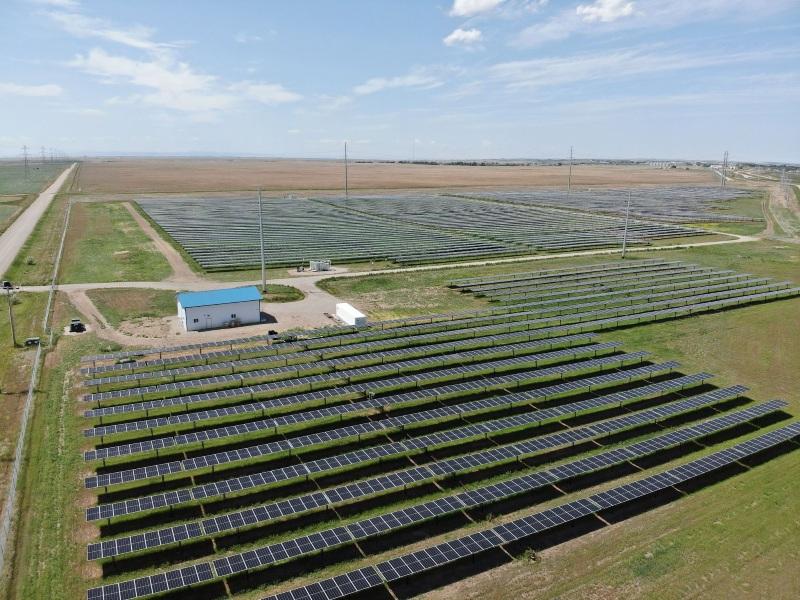
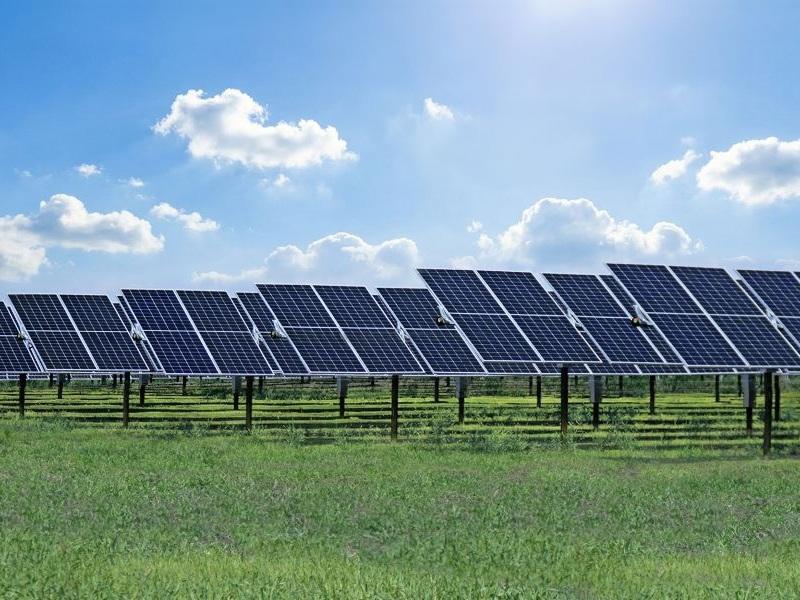
Its upcoming project in Zambia is its first utility development, slated to have 30 megawatts (MW) of capacity when fully built out. The project is expected to be Stardust’s biggest project to date, Bearss said.
“It’s very, very exciting for all of us. It’s a huge, huge milestone,” she said about the development.
Stardust graduating to commercial, utility projects
Stardust has historically been focused on the residential market, installing solar panels and battery systems for homes. The typical capacity of its residential solar systems ranges from five kilowatts (KW) to 20 KW.
But with generous financial incentives, the growth of its franchisees to the point where they have the capability to handle large projects, and a comparatively higher return on investment, Stardust has been transitioning to more commercial projects, Bearss said. Its commercial installations range from 20 KW to 100 KW.
The opportunity to develop the Zambia project was “fortuitous,” she said. Stardust has a U.S. franchisee whose owner grew up in the country and connected the company to the project. The development is to be phased, with Stardust initiating the development with two MW of capacity this year and gradually raising it to its full 30 MW.
Stardust is already fielding calls from companies in Latin American countries such as Peru, Mexico and Bolivia to develop similar projects, Bearss said.
“It means to us global expansion.”
Stardust "in a really good space"
The increased interest in commercial and utility installations is part of a broader strategy for Stardust.
In its Q1 results, the company said it continued its transition to higher-margin recurring revenue streams such as its education and training division. In its Q1 ended March 31, revenue for the division increased 69 per cent year-over-year.
“We’re noticing that there’s an interest in the world to train trades,” Bearss said, and for renewable energy broadly.
With signs of higher sales activity, Stardust is building a larger sales team to educate its clients about solar incentives in North America.
The future is bright for Stardust, Bearss said, as demand for solar is rising in some jurisdictions. Motivating factors are offsetting rising energy costs, building greater energy independence, and acting on corporate sustainability initiatives, she said. There has also been demand for home energy storage because of electric vehicles, Bearss added.
“Solar is an incredible opportunity for anyone thinking about renewables because the infrastructure is easier to build, the prices of solar panels are coming down, the technology is going up,” Bearss said. “We’re actually in a really good space and a space we can capitalize.”
More franchises, utility-scale projects to be expected
In its Q1 results, Stardust reported revenue of $775,770, decreasing from over $1 million the year due to project cancellations and purchasing delays. However, its net loss was $106,060, an 84 per cent improvement from $652,263 the year prior.
Stardust’s project backlog was valued at over $3 million as of the end of the quarter.
Bearss said to expect more Stardust franchisees this year, and possibly more utility-scale projects on the horizon.
Stardust plans to scale up its residential solar lease-to-own platform in 2026, a way to help homeowners affordably install solar on their property. The first pilot was launched in Atlanta, and is planned to be offered in Canada soon, Bearss said.



 Industry Events
 Locations