


 Locations





A biomass energy site in Saskatchewan is expected to generate over 600,000 tonnes of carbon removal credits for Microsoft through a project run by North Star Carbon Solutions LP, bolstering the tech giant’s climate commitment.
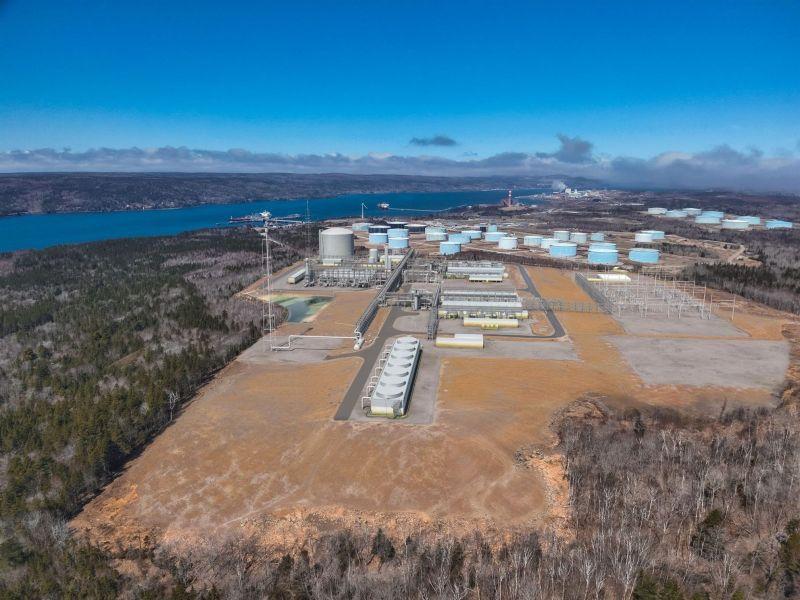
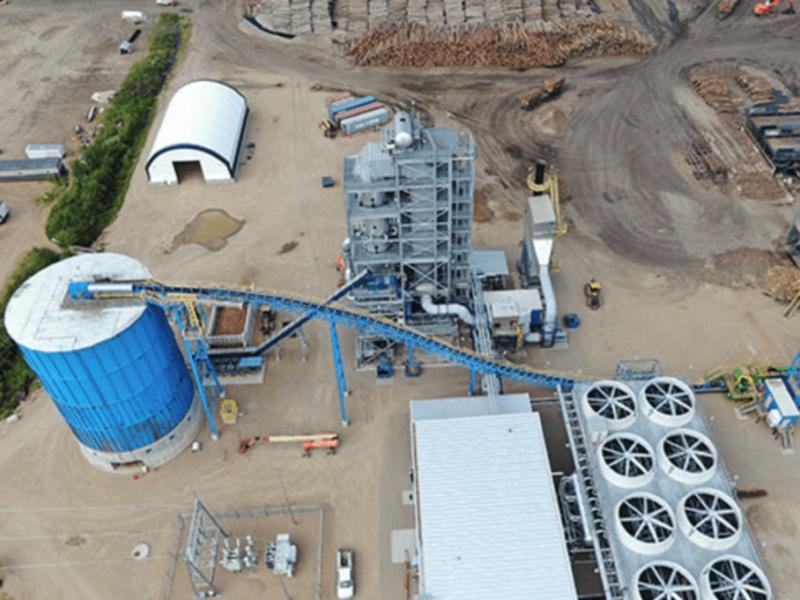
Announced Monday, the project is centred around a carbon capture installation planned for the Meadow Lake Tribal Council (MLTC) Bioenergy Centre, a power generation facility running on biomass from a nearby sawmill and local forestry product mills.
The project is expected to generate up to 626,000 tonnes of carbon removal credits over 15 years through bioenergy with carbon capture and storage (BECCS). The captured carbon dioxide (CO2) is to be moved and permanently stored in a geologic storage site owned and operated by North Star.
North Star, a partnership between the MLTC and Calgary-based Carbon Alpha Corp., a subsidiary of Burnaby-headquartered carbon removal player Svante, is to own the carbon capture project. Commercial operations are projected to start in 2029.
“We are excited about this landmark agreement for BECCS in Canada, which is the result of Microsoft’s leadership in carbon removal,” Scott Gardner, president of Svante Development Inc. said in the release.
“Microsoft’s anchor offtake commitment sends a strong signal to the market about the quality of North Star’s (carbon dioxide removals) and the readiness of the Canadian market to deliver such projects.”
Durable carbon removal
Svante, one of the world’s most notable carbon capture companies, announced in March it had acquired Carbon Alpha and its ownership interests in North Star.
The transaction was made to strengthen Svante’s background in geological CO2 storage, the company said, and build a fully integrated carbon management company that can build, own and operate every link of the carbon capture and storage value chain.
MLTC, Carbon Alpha’s partner, represents and supports business development for nine First Nations in northwest Saskatchewan.
The carbon removal project is to capture CO2 emissions from the burning of forestry products, and collect and compress the greenhouse gas into a liquid form. Then, the CO2 is to be transported to a geological well and injected underground in a site approximately 30 kilometres from Meadow Lake, where it would be monitored.
The credits are to be independently verified and issued under carbon removal crediting standards made by Puro.earth and subject to monitoring, reporting, and verification practices developed by Mangrove Systems, Svante's president and CEO Claude Letourneau said in an email exchange with Sustainable Biz Canada.
The North Star project “demonstrates how Indigenous leadership and collaboration can advance climate solutions while supporting meaningful employment and economic opportunities for our member nations and the surrounding community,” Jeremy Norman, the tribal chief of MLTC, said in the release.
The North Star project is projected to create approximately 50 local jobs during the development and construction phase and up to 10 jobs once the facility is operating.
While he would not disclose the pricing or total contract value of the partnership, Letourneau said the offtake deal "represents a substantial long‑term revenue commitment for a first‑of‑kind BECCS project in Canada."
CDR.fyi, a website that tracks the price of carbon removal credits, pegs the cost per tonne of BECCS at US$220. Such a price is on the lower end of carbon removal, which can range from US$74 per tonne to as much as US$1,400 per tonne.
Microsoft’s carbon removal portfolio
The offtake agreement between North Star and Microsoft is the latest in Microsoft’s efforts to build a portfolio of carbon removal projects. Microsoft’s ambition is to be carbon negative by 2030, which the company expects will require reducing its greenhouse gas emissions by more than half, removing the rest, and then removing the equivalent of its historical emissions by 2050.
Microsoft is interested in a range of carbon removal methods such as forestry- and soil-based projects, biochar, and long-term solutions like mineralization and direct air capture.
In an example of its commitment, Microsoft was one of the first companies to prepurchase carbon removal credits from Montreal-based Deep Sky. It also signed an offtake deal with Vancouver-based Arca for 300,000 tonnes of CO2 removal over 10 years.
“This agreement supports an Indigenous-led collaboration that enables the infrastructure needed to bring durable carbon removal online in Canada, thus creating a pathway for additional projects over time,” Phillip Goodman, director of Microsoft’s carbon removal portfolio, said.
Svante is in discussions with interested parties to round out the required revenue to reach a final investment decision for the North Star project in early 2027, Letourneau said.


 Industry Events
 Locations
