Locations




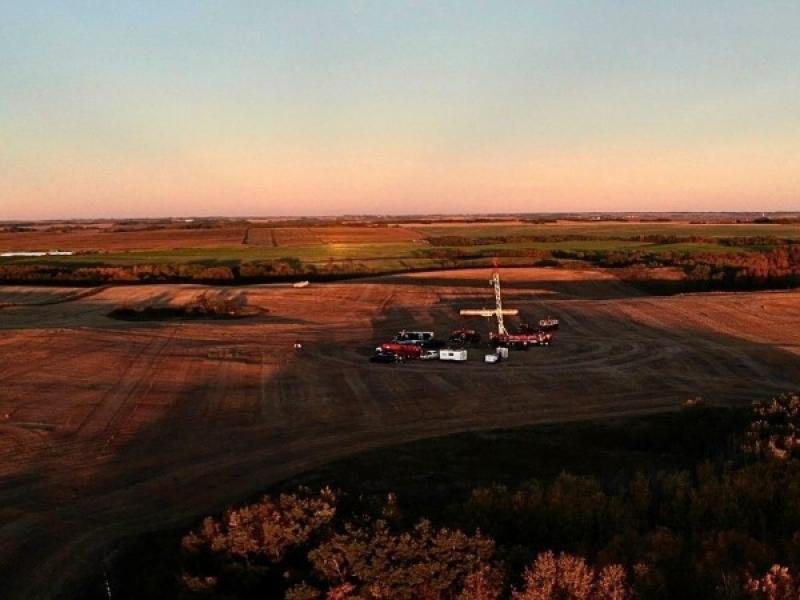
Crbon Labs Inc. is creating environmental and economic benefits from orphaned oil and gas wells in Alberta; sealing the sites to prevent greenhouse gases from spewing into the atmosphere and generating carbon credits for sale.
Founded in November 2021 by three former employees of NAL Resources (which was acquired by Whitecap Resources in January 2021), Calgary-based Crbon Labs looks to address the problems posed by the province's many orphaned wells.
The non-producing oil and gas assets, which have essentially been abandoned by their former operators, litter Alberta’s landscape and pollute the environment. The Orphan Well Association identified nearly 3,500 wells to decommission and reclaim from 2024-25, with the cost of cleaning up the sites estimated to be over $1 billion.
Left unplugged, orphaned wells can leak carbon dioxide (CO2) and methane. A 2025 study from McGill University found non-producing oil and gas wells in Canada emit almost seven times more methane than estimated by the federal government, exposing the scale of the problem they present for climate action.
With not enough capital for jurisdictions and companies to swiftly plug and abandon all the orphaned wells in Alberta, Crbon Labs can fill the gap, its co-founder and CEO Cory Bergh told Sustainable Biz Canada.
“We really are a part of the ecosystem of the energy industry. This is not an adversarial business model,” he said.
Crbon Labs’ plug and abandon process
Crbon Labs starts by finding orphaned wells, which are listed by the Alberta government. But oftentimes, the company discovers the sites through word of mouth in the oil and gas industry, Bergh said.
The company decides if a project would have value under carbon credit methodologies such as the BCarbon or CarbonPath. If it does, Crbon Labs develops the project by plugging and abandoning the well with its industry partners. If needed, it also initiates soil remediation and site reclamation.
Once the well is confirmed to have been sealed thoroughly and the impact of the work measured, third-party validation takes place so credits can be issued. Crbon Labs works to ensure the project is traceable and transparent.
“You’re making a product, is really what it is, and that product is the climate benefit,” Bergh said of Crbon Labs’ business model.
A credit per tonne of offset CO2 is generated from the projects. The company sells the credits to other businesses through third-party channels.
Another pathway Crbon Labs wants to advance is offering the credits on e-commerce channels like Shopify and Stripe so customers can offset the carbon emissions of their purchases. Named CrbonFree, the company plans to extend the service to heavy users of artificial intelligence platforms.
Crbon Labs’ projects
The company has finished three projects to date, operating solely in Alberta.
Its first well was plugged in Wainwright in late 2024, followed by a second project in Red Deer which was finished in October 2025. Its third project took place in Rainbow Lake, which was plugged and abandoned in early 2024.
The projects are expected to make a notable impact, preventing the release of the equivalent of over 203,000 tonnes of CO2. The U.S. Environmental Protection Agency’s greenhouse gas equivalencies calculator pegs that as the equivalent to the CO2 emissions generated by over 47,300 cars for one year.
Crbon Labs, Bergh said, is marketing its offsets to companies that are heavy fuel users or have clients in the energy industry.
One of Crbon Labs customers is U.S. Venture, Inc. and its subsidiary U.S. Energy, which acquired all the credits from the Wainwright project. Bergh noted Crbon Labs has a pre-purchase agreement with a large Canadian energy company.
He declined to disclose the price of Crbon Labs’ carbon credits, but said the per tonne credits are typically sold between US$10 to US$20 on the market.
Crbon Labs is currently developing three projects expected to offset the equivalent of approximately 280,000 tonnes of CO2.
"Big, hairy, audacious" targets
There are between 300,000 to 400,000 wells in North America which Crbon Labs views as worthy to develop, Bergh said. As a result, the company is interested in operating outside of Alberta in the future.
“I think the key driver will be successfully building channels to market so that we can create the climate action, sell the credits and create more climate action,” Bergh said.
His “big, hairy, audacious” goals for the company are to plug 10,000 wells in North America over the next five to 10 years and eliminate the equivalent of 500 million tonnes of CO2.


 Industry Events
 Locations