


 Locations

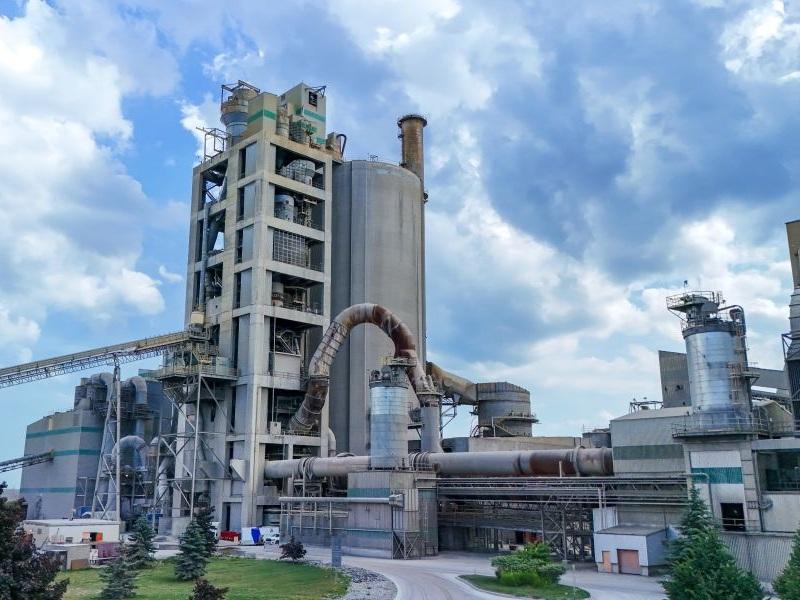


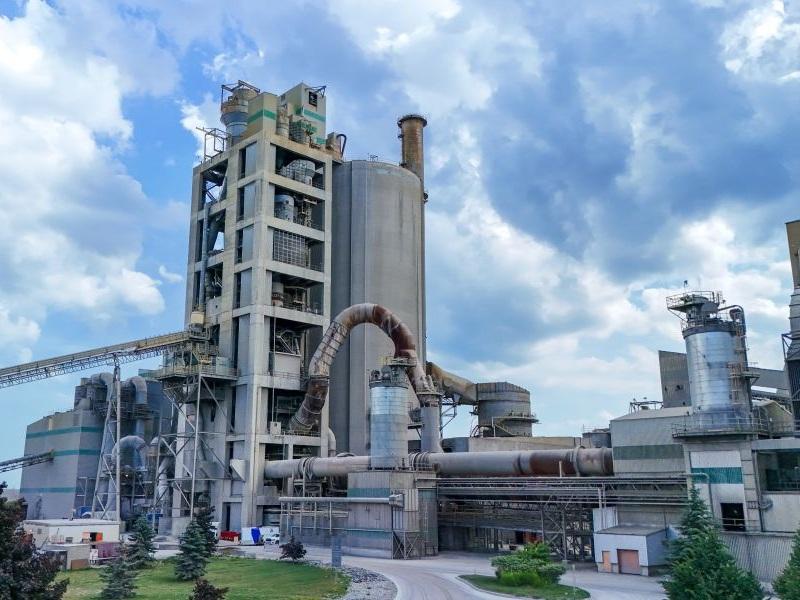
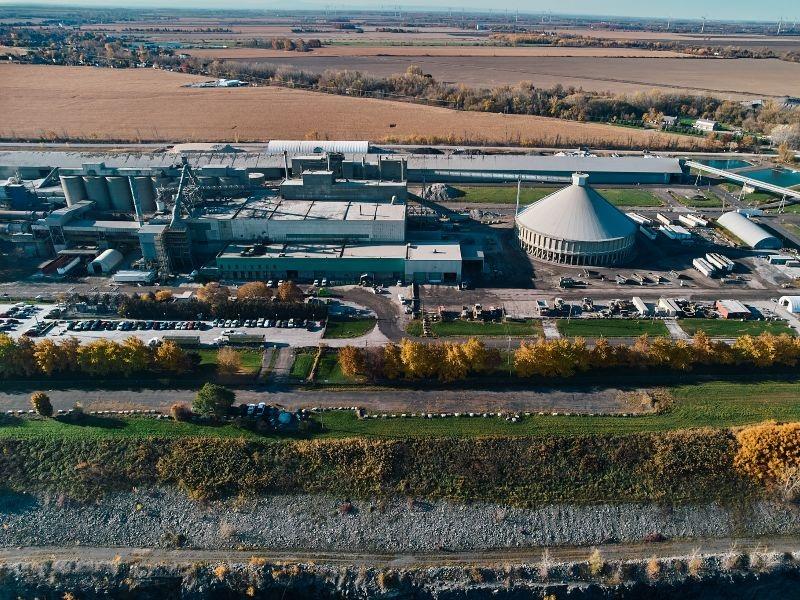
Rodan Energy Solutions Inc. is partnering with St. Marys Cement to install a large battery at the cement maker’s Bowmanville, Ont. plant, helping reduce electricity costs, cut carbon emissions and ease reliance on the grid.
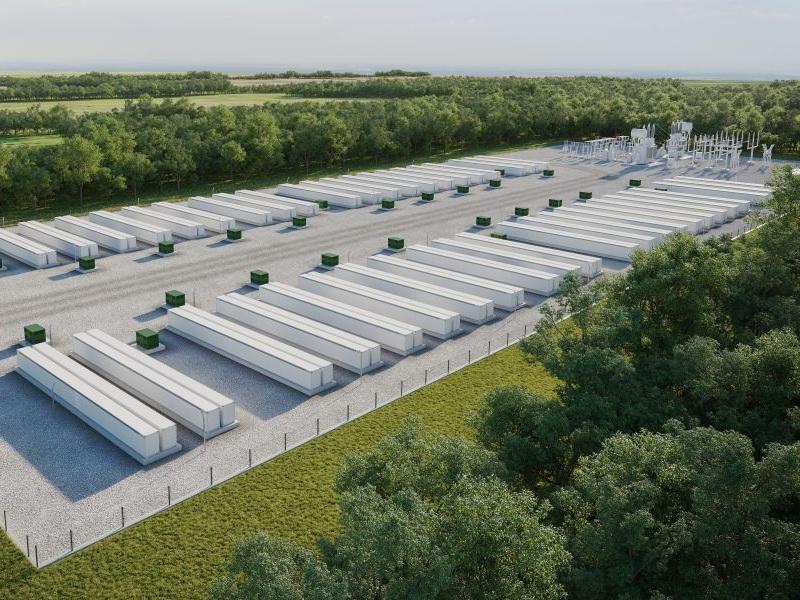
Being built next to the factory, located on the north shore of Lake Ontario east of Oshawa, the 50-megawatt-hour battery energy storage system (BESS) will supply power during peak-demand periods and recharge when electricity demand is low.
Rodan, a Mississauga-based energy management firm, has signed a long-term agreement to develop, own and optimize the behind-the-meter system, which the company says is the largest of its kind in Canada.
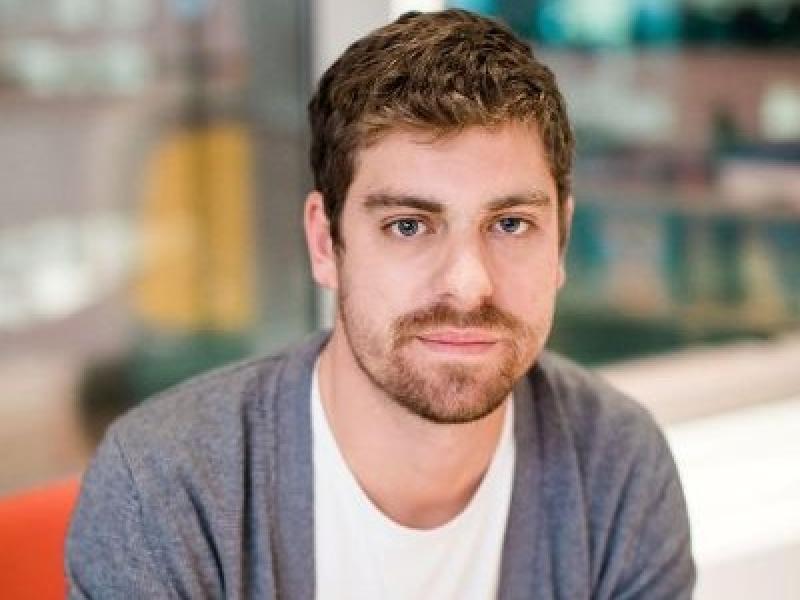
St. Marys is “able to further reduce their cost of energy because that BESS provides additional flexibility within the facility,” Paul Grod, president and CEO of Rodan, said in an interview with Sustainable Biz Canada.
“And we share with them in the economic benefit of that BESS,” he continued. The arrangement also helps St. Marys move closer to meeting its sustainability targets while improving the facility's energy resilience.
Using Ontario's lower-cost electricity
Rodan, which manages and optimizes energy use for industrial clients, has worked with St. Marys for approximately 15 years. It enrolled St. Marys in Ontario’s demand-response program, under which the cement producer is paid to significantly reduce its power use during periods of high consumption. St. Marys takes action by bringing its power-intensive grinding process to a halt.
With the BESS, St. Marys can operate without relying on grid power at peak hours, tapping into the electricity stored during periods of low demand. “Something has to soak that up, and the batteries are able to soak that up, and provide value to the power grid as well,” Grod said. St. Marys can go down “to close to zero consumption on the power grid between using the battery and themselves curtailing their power consumption,” he explained.
That electricity also comes cheaper and with less carbon emissions, as periods of low demand are supplied largely by nuclear and renewable sources. It avoids the times when natural gas generation is needed to cover the high demand, Grod explained.
Based on a benchmark, he expects the BESS to offset approximately one tonne of carbon dioxide per megawatt-hour of use during peak periods.
Rodan will also use its FlexOp grid-optimization technology to enhance the battery's performance. The grid optimization technology uses data analytics and forecasts to optimize the performance of grid-connected assets like a BESS.
The project's business case is based on the anticipated financial savings, Grod said. St. Marys is expected to benefit from lower electricity bills, while Rodan will fund and operate the system under an energy-as-a-service model.
Commercial operations of the BESS are anticipated to start in May 2028. Rodan has already started the work on the installation.
Battery storage offers savings for industrial clients

Research shows cement production is responsible for approximately seven per cent of greenhouse gas emissions globally. St. Marys' parent company, Brazil-based Votorantim Cimentos, is among the producers pursuing lower-carbon cement production through innovations such as battery storage and alternative fuels.
The construction materials producer is aiming to produce carbon-neutral concrete by 2050. The Bowmanville factory is pursuing lower-carbon cement production initiatives, including replacing a portion of the coal and petroleum coke used in its kilns with energy recovered from industrial by-products that would otherwise go to landfill.
Grod anticipates dozens, if not hundreds, of similar battery projects will be developed in the coming years. It can enhance the economic competitiveness of manufacturers and reduce the cost of energy for users, he said. Grid operators face less pressure to develop power generation, which makes life more affordable for ratepayers.
“This is a resource that grid operators and policymakers need to become familiar with.”
Rodan has 10 similar projects in its pipeline that it expects to build over the next two years. In places like Ontario, Alberta and New York state, and for clients like the U.S. regional transmission organization PJM Interconnection, it has the ambition to build hundreds or thousands of megawatts of behind-the-meter BESS.


 Industry Events
 Locations

