
 Locations






Manitoba’s three-year Net Zero Action Plan could be a “game changer” for the province’s utilities and energy agency, while setting a stronger direction for green buildings, according to Laura Tyler, executive director of Sustainable Building Manitoba.
In an email to members, the Winnipeg-based non-profit analyzed the interim plan, which covers the provincial government’s climate strategy from 2026 to 2029.
It sets out steps to achieve Manitoba’s pathway to net-zero by 2050 with 90 actions. Those include: investing $3.75 million into innovation clusters, providing over $55 million in grants to reduce greenhouse gas emissions, and investing $10 million in the 2026 budget to help families upgrade their homes with heat pumps and other energy saving measures.
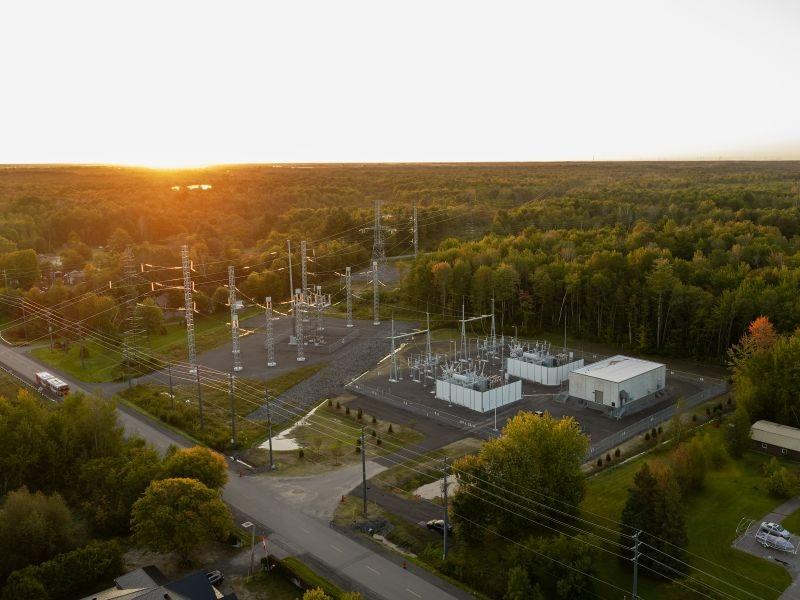
One of the most significant proposals is introducing legislation that would embed net-zero into the mandates of Manitoba Hydro, Efficiency Manitoba and the Public Utilities Board. Tyler called this “the right thing to do” in an interview with Sustainable Biz Canada. She also called the proposal bold, saying it could even go “against their current mandate.”
Such a law could have a major indirect impact on buildings, as they are are among Manitoba’s major consumers of energy and producers of carbon emissions, according to an analysis by Climate Action Team Manitoba.
Where the plan meets the mark
The proposed changes to the mandates of Manitoba Hydro, Efficiency Manitoba and the Public Utilities Board stood out to Tyler, as did the plan to establish time-bound emissions reduction milestones.
Without mandates that require the three organizations to consider net-zero planning and energy management, those priorities can be easy to overlook, she said.
“If you don’t have a mandate to do something, you might want to do it, but you don’t have to do it.” In some cases, “you could even argue that you shouldn’t do it because it’s not part of your mandate,” Tyler said.
Sustainable Building Manitoba praised the plan to revise the province’s Green Building Policy so all provincial government-funded projects follow sustainable building practices such as having new construction funded by the government required to meet standards for energy efficiency, climate resiliency, water conservation and waste management.
Other proposals welcomed by the non-profit are:
- a pilot project with industry partners to demonstrate circular economy practices on construction sites;
- workforce development and training actions to support the transition to a low carbon economy; and
- Efficiency Manitoba being set to continue to deliver over 40 programs and offers to increase the efficiency of buildings and homes.
More plans than actions, Sustainable Building Manitoba says
Despite the number of measures outlined in the plan, Tyler said it remains a guide for the government rather than a set of firm actions or commitments. Significantly, there is no enforcement or compliance mechanism if a target is missed, Sustainable Building Manitoba found.
Furthermore, details and greater ambition could be applied toward a home energy labelling system, Tyler said, which the Net Zero Action Plan only commits to promoting rather than implementing. It is in everyone’s best interest to clearly understand a home’s energy use, she said.
“It feels like there are more plans than there are actions when it comes to climate,” Tyler added.
There is also room for improvement in the plan, Sustainable Building Manitoba said. The proposal to establish a property assessed clean energy framework, for example, must have consumer protections built in to unlock that potential, it explained, such as bill protection and support for low-income households.
While Tyler welcomed the plan’s commitment to tracking progress, she said more work is needed to establish enforcement and compliance mechanisms, provide accessible financing, and set clear, time-bound greenhouse gas reduction targets.


 Industry Events
 Locations