Locations




Waste rock removed from a British Columbia mine more than a century ago may hold new value, as Vancouver-based Sasquatch Resources (SASQ-CN) aims to extract critical minerals from the discards while cleaning up the local environment.
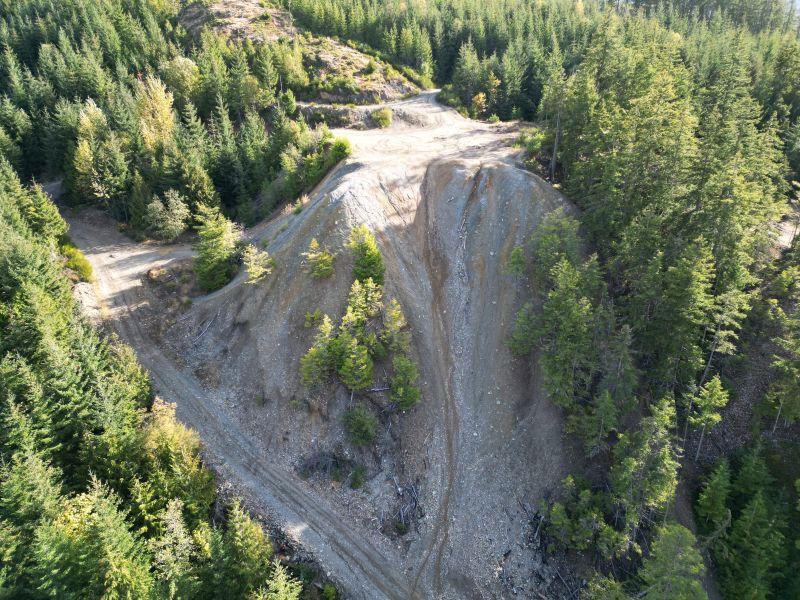
The mineral explorer’s first project is shaping up in Mount Sicker, a two-peak mountain located on southern Vancouver Island. Mining that took place from the late 1890s to the early 1900s led to thousands of tonnes of waste rock dumped in the area. Additional legacies are abandoned mine shafts that pockmark the site, and swathes of land stripped down to the earth.
The waste rocks are rich in sulphides, which contain valuable metals such as gold, copper and zinc, but are also heavily acidic. When sulphides leach into the environment, it can lead to acid mine drainage, contaminating the local environment with hazardous elements like arsenic and lead while dyeing rivers a rusty brown-orange.
Sasquatch, rebranded from Senc Resources Corp. in 2022, explored reopening a mine or finding larger mineral deposits in Mount Sicker, its founder, CEO and director Peter Smith said in an interview with Sustainable Biz Canada.
But the company “came to the conclusion that this particular legacy mine site could be economic without actually being reopened as a mine, really just from cleaning up this waste rock from a century ago,” he said.
From a mine to waste site
Mount Sicker used to host a bustling mining camp in its heyday with thousands of residents, many digging for copper and gold. The miners also extracted abundant volumes of waste rock which did not meet the cutoff grades for mineral content at the time; Sasquatch estimates over 300,000 tonnes.
Today, the forested area is popular with mountain bikers, hikers and campers. “It’s beautiful. It’s an amazing, pristine wilderness,” Smith said. “Except for this legacy mine site which stands out like a sore thumb.”
The mine site, located between the two peaks, is approximately five football fields in size and looks “like something out of Mad Max,” Smith said, referring to large parts of the site that are desert-like with only dirt and rocks.
There are two main piles of waste rock in Mount Sicker, he said, which leak sulphides into the area from runoff. The local water table, rivers and streams are at risk of being tainted. Plants struggle to grow around the mounds, exposing bare dirt like bald spots on the otherwise verdant mountain. Open mine shafts blend into the environment, presenting serious safety risks to visitors.
Recovery and remediation
It was from these problems Sasquatch proposed a solution. The company looks to crush the waste rock and sort out the sulphide content with mobile equipment, leaving behind ordinary rock. The sulphide-rich material, which contains the valuable and toxic metals, would be trucked down and shipped to buyers such as ore brokers or sent to processors with permitted facilities, respectively.
The sorting process could remove around 95 per cent of the sulphides. Sasquatch is testing the sorting, and the results have been encouraging, Smith said.
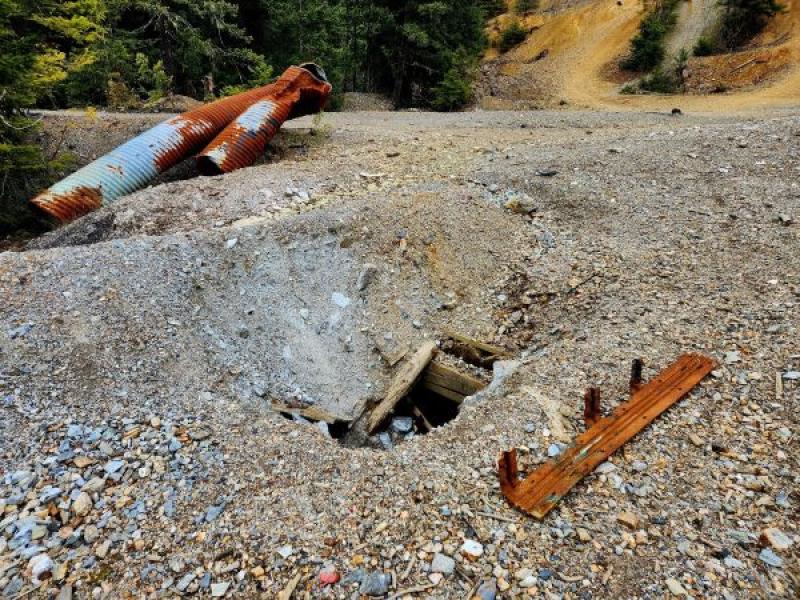
Sasquatch then plans to reclaim Mount Sicker with the help of Saskatoon-based Okane Consultants. Okane is experienced in closing and reclaiming mine sites, Smith said, and will be checking out Mount Sicker this summer to develop a comprehensive reclamation plan.
The plan is expected to lay out the recommendations to encourage plant growth and enhance safety. For example, it could involve using the decontaminated waste rock to recontour the area, and capping or fencing off the open mine shafts.
Sasquatch plans to have a qualified mining manager overseeing health and safety standards in its project.
“This is a rare opportunity for us to add needed critical minerals to the supply chain while we’re actually improving the environment,” Smith said.
Synergy Enterprises, a Victoria, B.C.-based sustainability consulting firm, is expected to calculate the carbon emissions reductions from Sasquatch’s recovery and remediation project compared to developing a new mine.
Hundreds more sites to address
Sasquatch has spent three years derisking the project, Smith said. The company has sampled the waste piles to determine the mineral grades and conducted early operations testing.
Now in the permitting stage, Sasquatch hopes to start its Mount Sicker project in the spring of 2027.
Smith expects the work will be completed in approximately one year. It looks to then move on to a similar project just 30 kilometres up the road named Blue Grouse. Sasquatch has four more projects in its pipeline in British Columbia: Santana, Copper Road, Slesse and Alberni.
That handful could be just the start. It is estimated there are approximately 2,000 sites like Mount Sicker in British Columbia, Geoscience BC said.
“There’s a lot of work to be done here. Great news for us because we can repeat this formula over and over again,” Smith said.


 Industry Events
 Locations