
 Locations



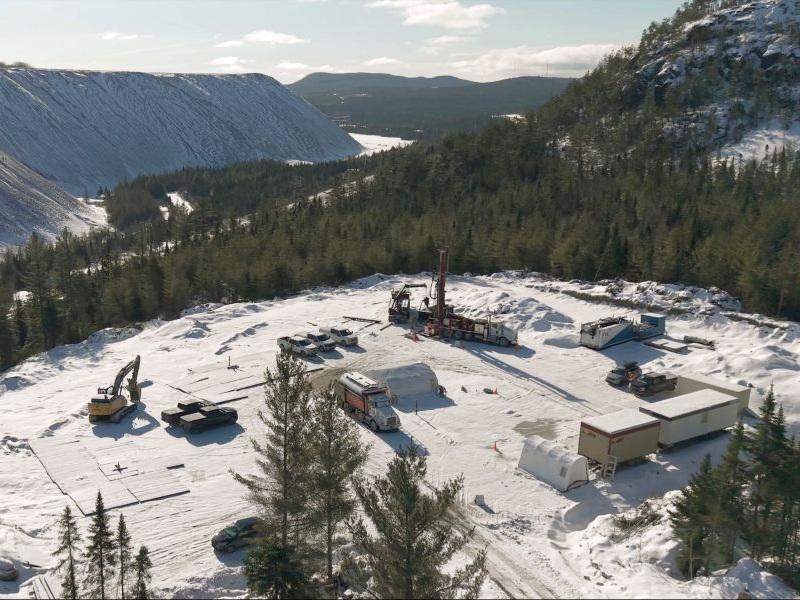
Vema Hydrogen is joining forces with Montreal-based SAF+ International Group to potentially produce low-carbon jet fuel using natural hydrogen sourced from Quebec’s rocks.
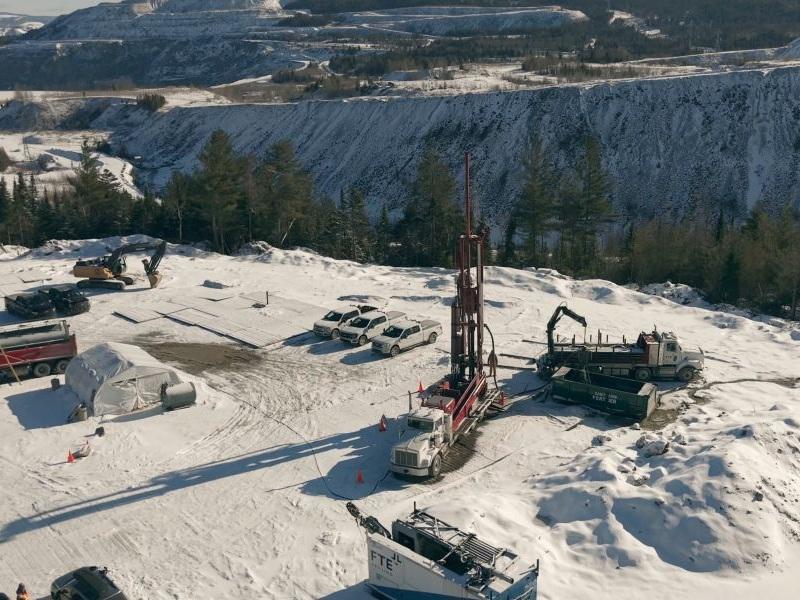
Houston-based Vema, a developer of engineered mineral hydrogen projects, plans to extract the element in Thetford Mines, a city south of Quebec City. Co-located in Vema’s site would be a facility developed by SAF+ that combines the hydrogen with carbon dioxide to produce synthetic kerosene.
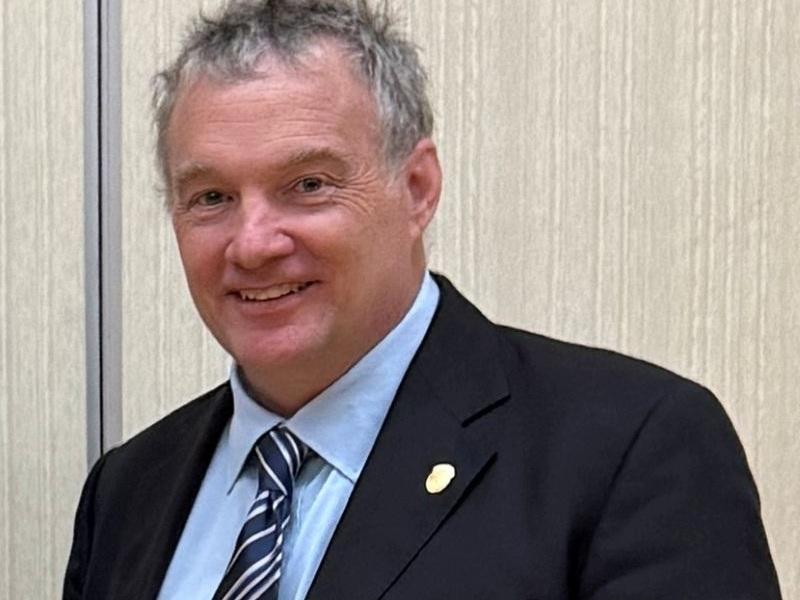
Compared to conventional jet fuel, the sustainable aviation fuel (SAF) made by SAF+ is expected result in approximately 10 per cent of the carbon emissions, Pierre Gonthier, president and CEO of SAF+, said in an interview with Sustainable Biz Canada.
By as early as 2028, Vema could be producing thousands of tonnes of hydrogen per year in Quebec, Colin McCulley, its senior vice-president who oversees strategy and operations, said in a separate interview with Sustainable Biz Canada.
“We are interested in companies that are at the forefront of synthetic aviation fuel,” McCulley said. SAF+ is developing projects and has offtake relationships with large airlines, he continued, which “makes them a credible partner for us to work with.”
Creating a “valid pathway” for SAF
The aviation industry is the source of two to three per cent of the world’s greenhouse gas emissions. The challenge is that planes need energy-dense fuel, and batteries are not practical for flight unlike cars or trucks, McCulley said.
SAF is the best way to bring down the carbon emissions of aviation, he added, which stems mostly from fuel use. However, SAF production is currently minuscule, and will require a significant ramp-up if aviation players have a hope to meet climate targets.
To help inject more supply into the market, Vema signed a memorandum of understanding with SAF+ to explore producing low-carbon kerosene. First, Vema would produce hydrogen in Thetford Mines. The company expects to extract 5,000 to 10,000 tonnes of hydrogen per year using a catalyst which accelerates a chemical reaction in iron-rich rocks, releasing hydrogen which would be captured.
Some of that hydrogen would be sold to SAF+, which plans to use technology from French company KHIMOD to combine hydrogen with a local source of carbon dioxide, ideally biogenic, and produce the synthetic kerosene, Gonthier said.
SAF+ expects to output 7,000 to 8,000 tonnes of fuel in the first year of the project, Gonthier said, taking in 4,000 tonnes of hydrogen. The SAF could be sold to fuel distributors and market intermediaries, Gonthier added. An expectation for the start of operations could not be specified by Gonthier.
The Vema-SAF+ partnership is expected to be a “template for future development,” McCulley said.
“We want to prove this as a valid pathway for us that we can do on any number of our projects if we grow across North America and the world.”
More SAF purchases needed to bring down costs
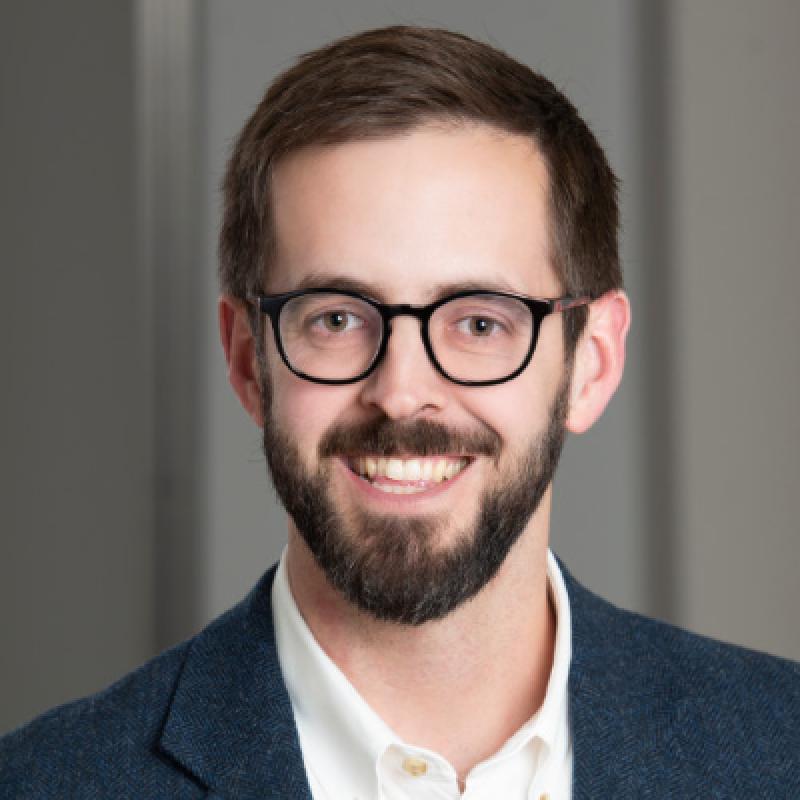
Gonthier declined to disclose the projected cost of the SAF from the partnership. However, he did reference an analysis that found synthetic jet fuel costs three to five times more than regular jet fuel.
“Buying more SAF is the best thing to do there,” McCulley said about bringing down the price of the fuel. If the aviation industry wants SAF to meet its climate targets, “they need to be buying and supporting projects that are going to get there,” he continued.
SAF+ hopes to achieve that. The company’s flagship facility in France, which is under development, is expected to output 75,000 tonnes of fuel per year. The Quebec company has an offtake deal with Air Transat and a letter of intent with Air France-KLM, Gonthier said.
If Vema can scale up production and guarantee the supply of hydrogen in Quebec, Gonthier said SAF+ would be happy to match its partner.
Vema envisions developing the Thetford Mines site to produce tens of thousands of tonnes of hydrogen per year, helping meet demand for SAF and other fuels, McCulley said.
Outside of Quebec, the natural hydrogen company has projects in central Newfoundland and the U.S. it hopes to develop. It aims to announce the results of its two pilot wells in Thetford Mines later this year, McCulley said.


 Industry Events
 Locations