


 Locations





GUEST SUBMISSION: The latest round of electricity procurement in Ontario has uncovered fundamental changes in the provincial energy market that appear to have both historical and economic significance.
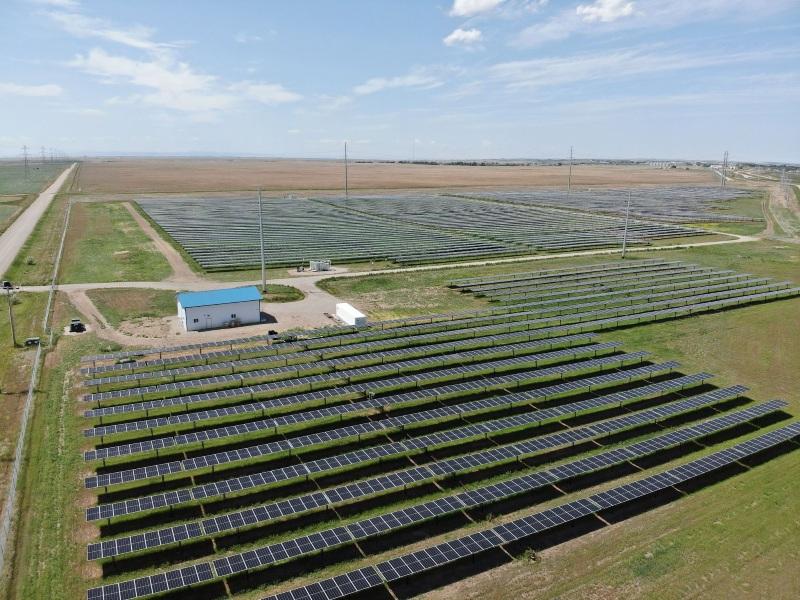
With a few caveats, for the first time in many decades the price of new electricity from renewable energy sources came in below that of comparable electricity from all other sources. Yes, even in cold, cloudy Ontario, solar energy and wind power have become the lowest cost sources of new power the grid operator can secure at scale in time for anticipated 2030 needs.
This runs counter to many previously held beliefs that renewable energy is expensive. But it is consistent with recent experience from around the world. Energy developers and investors are likely scurrying to adjust their projections for deployment of capital in the power sector.
“No technology is a silver bullet,” Evan Pivnick, program manager at Clean Energy Canada, said, “but it’s clear more than ever that renewables — especially when paired with batteries — are well positioned for rapid growth and for meeting a wider range of energy system needs.”
Describing the results of its latest competitive bidding process, the Ontario government stressed it had secured major cost savings for consumers and said, “Today, Ontario is using transparent, competitive, and technology-agnostic procurements to secure the lowest-cost power for ratepayers from available technologies.”
The economic breakthroughs achieved by renewable energy are not squishy forecasts. They are hard economic facts of life in today’s electricity market, facts that have been rigorously tested through open competition.
The cost reductions achieved by renewable energy are not unique to Ontario or to Canada. No less an authority than BloombergNEF’s New Energy Outlook 2026 says, “Solar will become the world’s single largest source of electricity in the next six years, due to a major supply glut, technology advances, and falling prices.”
The cheapest doesn't mean the best
However, there are important subtleties underlying these broad developments. Perhaps counter-intuitively, even if renewables remain relatively low cost as they are now, Ontario will likely need to maintain a diverse supply mix including more expensive sources of energy, for reasons of system reliability and long-term price stability. In a complex system like the power grid, securing energy with a low production cost does not always translate directly into lower costs for the end-user.
To understand why the lowest cost power isn’t always the best buy, the technical characteristics of each energy type come into play. For example, the grid operator needs to look at how quickly each power source can gear up and shut down. The best outcome for the consumer is typically available when the grid operator uses technology-agnostic procurement to competitively select a diverse range of resources to meet each of the grid’s specific needs.
The needs for quickly dispatchable power are best met by a certain set of resource types, whereas general bulk power needs are best met by another group, and so on. Using such an approach, each type of resource can be applied when and where its specific characteristics actually deliver the greatest net benefit for consumers.
Because resources have different cost profiles, this unbundled bidding approach means that some resources with higher per-unit costs will inevitably be included in the mix – if they are used for special high-value functions that can’t be met efficiently by other resources. Carefully maintaining diversity and balance is clearly essential, and both diversity and balance are important to long term cost stabilization.
Fortunately, it now appears that, based on the winning bids from the latest competition in Ontario, for large parts of the power system there will be no need to choose between protecting the air and protecting consumers’ pocketbooks. For the foreseeable future, whenever the province needs to secure low-cost bulk electricity, market forces are likely to ensure that non-emitting sources remain important contenders on the list of options.
The latest results
To be more precise about what happened recently in Ontario, after a rigorous open competition that ended in April, Ontario's Independent Electricity System Operator (IESO) awarded supply contracts to 14 new renewable energy projects not because they were cleaner, but because they were cheaper than all the competitors.
Soon afterward the IESO awarded contracts for capacity, also to the lowest bidders. These capacity contracts complement the energy contracts by ensuring that power will be available when it’s needed. For the first time, battery storage systems offered capacity at prices definitively below that from fossil fuel-based suppliers of electrical capacity. That’s two firsts in Ontario for non-emitting electricity in three months. Times have changed. Toss the outdated forecasts.
If the history of the Ontario electricity sector has taught energy consumers anything, it is to heed the results of open competitive bidding processes. Competition is one of the most effective ways of keeping costs under control, and the IESO has many years of experience running highly credible, rigorous and successful competitive bidding processes.
While it is possible that comparative prices will change again, these results appear to be part of a long-term global trend of declining costs for solar panels, wind turbines and batteries, at both large and small scales. But none of this is set in stone: some analysts are concerned that renewable energy might start running into technical problems and could see rising costs in the years ahead. The cost of power from natural gas-fired power plants, which used to pull prices down, could change as well, and oblige analysts to make further adjustments to their forecasts.
At the same time, Pivnick points out that, “As more and more of the economy electrifies, the ability to shift demand to different moments opens up new cost-effective ways of meeting electricity demand without requiring new capacity. Demand-side management will often be the lowest cost-resource, and can help support a greater role for low-cost renewables.”
One of the reasons it was attractive for Ontario to purchase low-cost intermittent energy at this point in history, is that the province currently has a variety of reliable large-scale assets in place that can respond quickly to outages in other parts of the system without incurring major costs.
This condition, sometimes referred to informally as being “long on capacity,” is relatively unusual historically and geographically. If the province had been tight for capacity, this kind of energy-based procurement of renewables would not have been so attractive.
In other words, the value of renewables in Ontario is to a large extent supported by the dispatchability of other existing resources such as gas-fired power plants and waterpower. There are limits to how much intermittent energy can be added under these favourable conditions, and in the years ahead, the amount of dispatchable capacity readily available to support renewables could decline or drop to zero.
Although batteries can help to compensate for the intermittency of renewables, technical problems can crop up in how we operate the system, if too much of it is relying on batteries for capacity.
In summary, while both renewables and batteries may be looking good in Ontario at the moment, it’s possible they will see much stiffer competition going forward.
Where is all this heading?
Putting all these considerations together, are Ontario’s recent procurement results the beginning of a full-blown transition toward renewables in the supply mix, a temporary aberration, or something in between? Only time will tell, but some clues are apparent.
Considering all the growth in electricity use that’s generally expected in the near future, it would be premature to write off any of the major sources of electricity in Ontario. Each one is likely to be needed to contribute in its own way to meeting future needs. That in itself is a big step forward for renewable energy and batteries, which many had previously considered marginal players. Wind, solar and batteries now appear set to play a significant and growing role in Ontario, both physically and economically.
The rising appeal of renewables could be highly positive news for Canada’s efforts to combat climate change. Improvements in the technology for producing clean power have done what years of policy making and regulation have struggled to accomplish: created widespread, compelling and apparently durable market-based incentives for major near-term investments that will reduce greenhouse gas emissions.
The improving economics of renewable energy and energy storage may also lead to the expansion of promising new clean energy industries based in Canada – an attractive area for economic development just as the provincial and federal governments are preparing for massive investments in the expansion of electricity grids.
Analysts and planners are undoubtedly poring over these numbers and trying to forecast what the results mean for the future of energy supply in Ontario, Canada and the world. Although Ontario’s power system already releases relatively low levels of greenhouse gases, an even cleaner grid is likely in the cards.
There is little doubt that an important change has taken place in Ontario, and the future of renewable energy looks promising.
In Part 2 we look at the new business opportunities that these changes could open up.
Author's disclaimer: This article is for general information only. It is not necessarily applicable to the reader's specific circumstances and should not be relied on as the basis for financial or other decisions. Significant choices should always be made under the advice of an appropriate certified professional.



 Industry Events
 Locations
