


 Locations



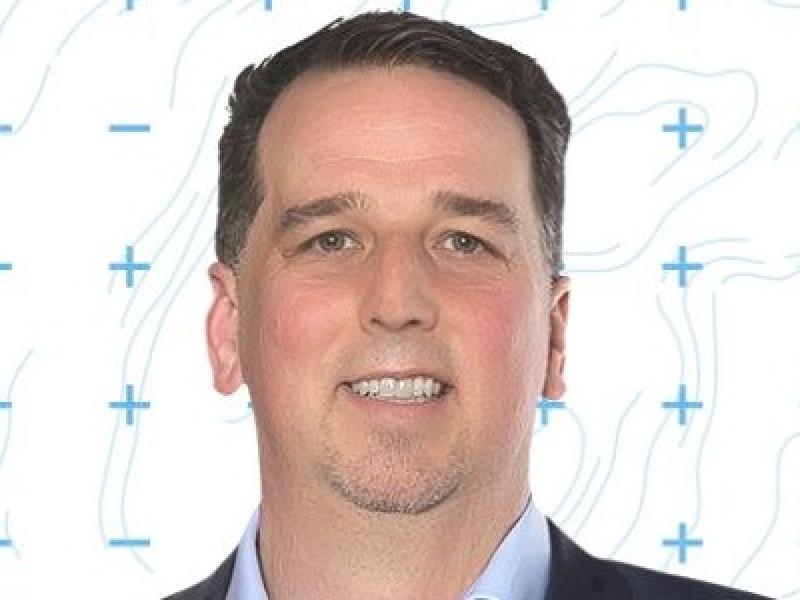




Newly appointed MAX Power Mining Corp. (MAXX-CN) CEO Rob Norris is setting his sights on commercializing the company’s Saskatchewan natural hydrogen discoveries, expanding its permitted land holdings and exploring a potential U.S. stock exchange listing.
Appointed in mid-October, Norris succeeds Ran Narayanasamy, who is now the company’s managing director of innovation and international strategy.
With a resume that includes experience in government, academia and the private sector, Norris brings a “broader perspective” on the Canadian innovation ecosystem, he said in an interview with Sustainable Biz Canada.
An early entrant in the emerging natural hydrogen industry, MAX aims to find and extract hydrogen from underground reservoirs. The hydrogen could eventually serve as a low-carbon energy source for industrial facilities and data centres, potentially displacing fossil fuels without relying on conventional production methods such as natural gas reforming or electrolysis.
Norris’ ambition is to make MAX the “premier natural hydrogen company in Canada and frankly well beyond,” he said.
Taking on the 'grand challenge' at MAX
“I’m in the midst of a third career,” Norris said of his appointment as MAX’s chief executive.
After a stint as a legislative assistant in Ottawa, Norris worked as the coordinator of global relations for the University of Saskatchewan. Afterwards, he returned to politics, serving as a Member of the Legislative Assembly in Saskatchewan from 2007 to 2016.
One highlight of his time in office was serving as minister responsible for SaskPower, the provincial utility. During his term, Saskatchewan’s government approved the $1.2-billion Boundary Dam carbon capture and storage project.
After leaving public office, Norris returned to the University of Saskatchewan, where he managed strategic research partnerships. He joined the board of MAX in June 2025, drawn to its promise of providing energy and economic prosperity.
As Canada and other countries grapple with energy security, sustainability and sovereignty, MAX could help address the “grand challenge” of “securing Canada’s spot as an energy superpower” while creating jobs in rural Saskatchewan, Norris said.
Norris also carries over his professional networks in natural resources and a proficiency in collaborating with specialists, he said.
Commercializing MAX's land holdings
One of Norris’ central priorities is developing a commercialization strategy to turn MAX’s assets into hydrogen-producing sites.
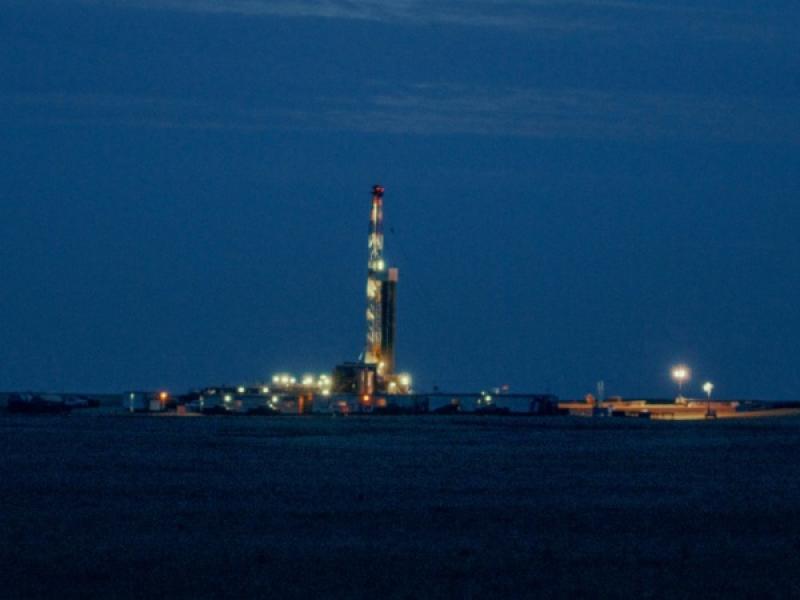
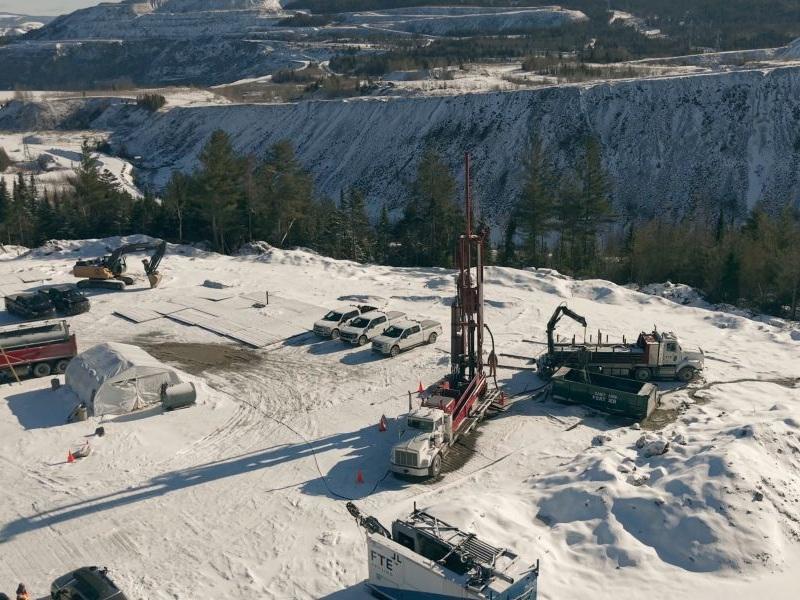
The company aims to confirm the commercial value of the Lawson Complex, a 28-square-kilometre area near Central Butte, Sask. There, MAX is drilling wells to understand the quantity, quality and flow rate of hydrogen molecules. It is also drilling wells in Bracken, located 325 kilometres southwest of Lawson.
MAX has started its completions and testing program at the two sites. Norris was said the timing of commercial operations will depend on the results of the completions program.
Joining Norris to support this objective are Tom Kishchuk, the former president and CEO of Mitsubishi Hitachi Power Systems Canada Ltd. as chief technology officer, and Brendan Bishop as chief geochemist.
The two will help guide MAX’s "months-to-molecules" strategy, which aims to move quickly from natural hydrogen discovery and drilling to commercialization with potential offtake partners, Norris said.
Another box on Norris’ checklist is to make progress on securing customers. MAX has been approached by organizations in the critical minerals, defence, petrochemicals and data centre sectors as prospective customers, he disclosed.
MAX is already permitted to explore 2.5 million acres in Saskatchewan for natural hydrogen, and Norris aims to expand that land package to more than five million acres. “We intend to be bold,” he said about the scope and scale of the strategy.
To grow its investor base and presence in the U.S., MAX is considering a dual listing of its common shares on a U.S. stock exchange. Norris declined to disclose the exchange MAX aims to be listed on, citing the early stage of the plan.
MAX is also developing an artificial intelligence (AI)-powered platform named MAXX LEMI. It is designed to efficiently identify promising natural hydrogen reservoirs by drawing on an array of geological, geophysical and geochemical data.
Companies have expressed interest in using MAXX LEMI, Norris said, and MAX is working on potential business models for the platform and usable sectors.



 Industry Events
 Locations

