



 Locations





Hybrid Power Solutions Inc. (HPSS-CN) and Vortex Technology Group are laying the groundwork for a partnership that could expand their respective roles in Canada’s battery energy storage market, including a potential manufacturing and commercialization arrangement.
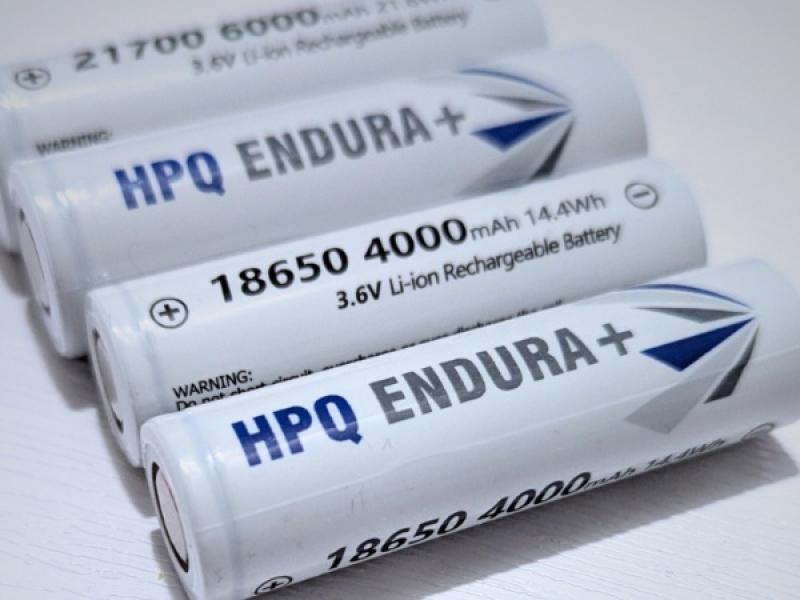
Hybrid, an Etobicoke, Ont.-based assembler of battery packs and solar, hybrid and battery generators, plans to collaborate with Cambridge, Ont.-based Vortex in two ways.
Under the arrangement, Vortex is authorized to integrate, market, co-brand and resell Hybrid’s products. The companies have also signed a separate, non-binding letter of intent outlining a potential battery energy storage system (BESS) manufacturing and commercialization relationship.
The partnership is aimed at expanding Hybrid’s capabilities to provide customers with larger BESS systems, Francois Byrne, CEO and director of the company, said in an interview with Sustainable Biz Canada.
Vortex “really helps push battery technology to the next level,” he said. “For us to be able to help support that and build these systems for them in Canada, I think it aligns on both ends and helps us grow together.”
How the partnership could work
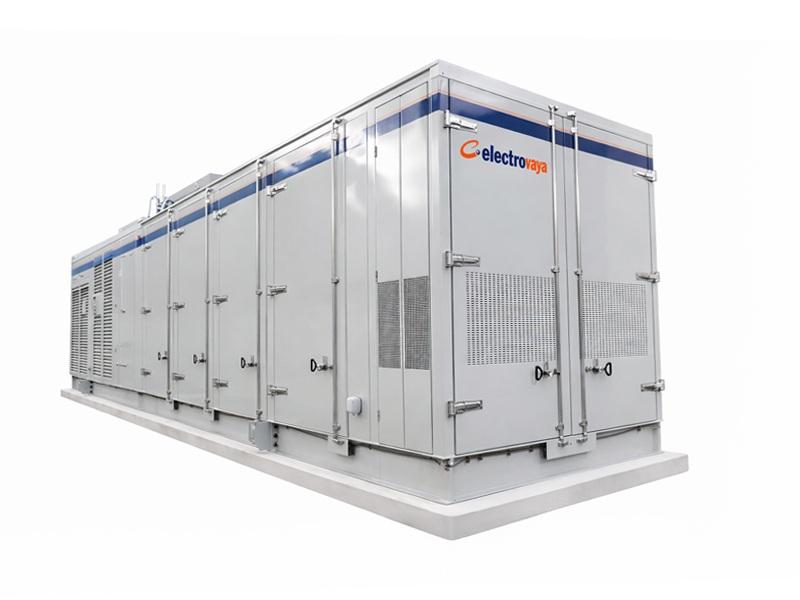
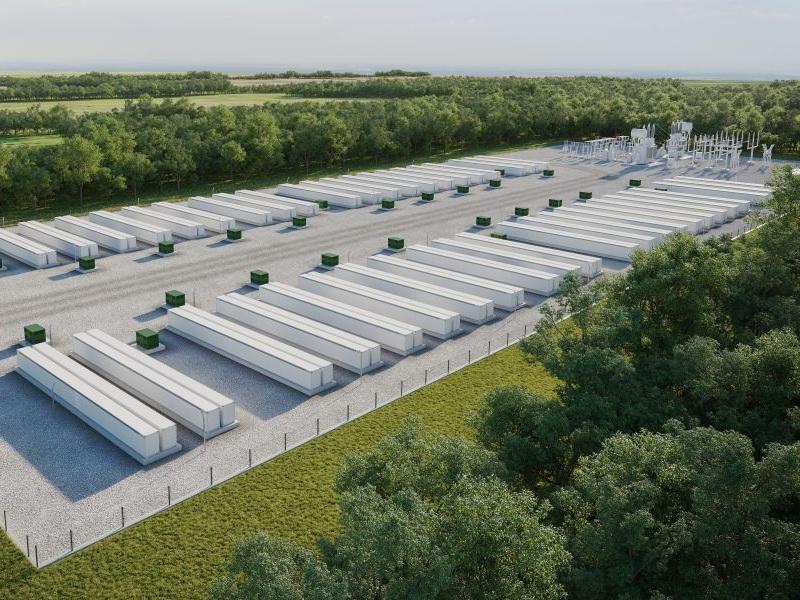
Core to the partnership is expanding Hybrid’s capabilities in providing larger BESS systems, Byrne said. Its power packs range from three to seven kilowatts, while Vortex’s batteries can be substantially larger. For example, its BESS for the Wikwemikong First Nation in Ontario has 0.5 megawatt-hours of capacity.
Formerly a consultancy in the telecom and fibre optics sectors addressing remote areas of Canada, Vortex transitioned into serving those markets with stationary batteries to back up telecom infrastructure, Brian Walters, its CEO, said in a joint interview with Byrne. To date, the company has deployed under 10 systems in Canada.
Walters said the addition of graphene gives Vortex’s batteries a competitive advantage. The carbon-based material is incorporated into the cell chemistry to improve battery longevity, charging speed and fire safety. This further strengthens the business case for its batteries as it reduces energy consumption and can lead to longer contracts, he continued.
Vortex is looking to establish a foothold in the Canadian and broader North American markets alongside a “like-minded company,” Walters said. The federal government’s push to onshore manufacturing also presents an opportunity.
Vortex makes a strong partner of Hybrid because of the in-depth knowledge it has in technical matters and customer base, Byrne said. Complementing that is Hybrid’s engineering and manufacturing capabilities, he added.
“We both have quite a large synergy of ambition, where we see this truly becoming a very large opportunity and something we can scale quickly.” Byrne said.
Markets for the partnership
The partnership under the letter of intent would initially see Hybrid assemble Vortex’s systems for customers, with the longer-term goal of manufacturing most components in Canada, Byrne said. Supporting this strategy, Hybrid has a 15,000-square-foot manufacturing site in Mississauga it is preparing to open in December.
Vortex on the other hand would handle the marketing, tech support, business development and possibly program management of installations, Walters said.
The two companies also aim to negotiate rights for Hybrid to manufacture, integrate, market, sell and support certain BESS projects in Canada and other markets such as the U.S., the Caribbean, South America and Africa, Walters said.
Target applications of the partnership include construction sites, mining operations, computing infrastructure, film and events, defence and transit, where diesel generators can be replaced with more sustainable alternatives.
Finally, Hybrid and Vortex expect to form a framework for shared technical resources with the objective of improving Hybrid’s product competitiveness.
Under the Oct. 19 letter of intent, the companies aim to finalize definitive agreements, including a manufacturing agreement, within 120 days.


 Industry Events
 Locations

