Locations






SensorUp, a Calgary-based software company addressing methane leaks in oil and gas infrastructure, sees expansion to new industries and an evolution of its platform on its roadmap following the closing of a growth funding round.
Founded in 2014 by Steve Liang, its chief science officer and a professor at the Schulich School of Engineering in the University of Calgary, SensorUp’s platform draws upon sensors from space to the ground. A major use case is finding methane leaks, which allow the powerful greenhouse gas to seep into the atmosphere.
After discovering faults, SensorUp alerts ground crews to make repairs. Additionally, it uses artificial intelligence (AI) to forecast future incidents for preventive maintenance. It also follows up with carbon reporting where companies can disclose emissions data to a high degree of accuracy.
SensorUp grants asset-heavy firms “real-time visibility, prediction, operational execution for efficiency, safety and sustainability,” Liang said in an interview with Sustainable Biz Canada.
In June, SensorUp received an undisclosed investment in a round led by Vancouver-based Pender Ventures, with participation from Climate Investment, Evok Innovations and Occidental. The funds will go to expanding SensorUp’s reach and developing its software.
Curbing methane leaks in oil and gas
SensorUp’s platform collects data from an array of sources, ranging from satellites, planes, drones, ground equipment and people. That information is collected into a dashboard of greenhouse gas emissions data per asset, used for tasks like identifying current methane leaks. The data is fed to an AI system which predicts potential leaks and safety incidents.
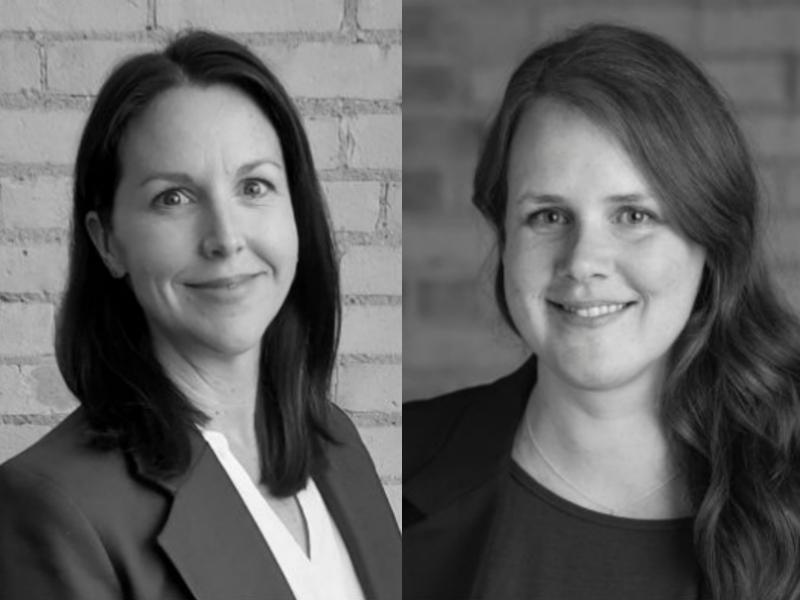
“You can see where there’s a leak and you can dramatically reduce the length of time of which that leak goes undetected,” Julia Hole, SensorUp’s CFO, said about the platform in the interview alongside Liang.
Methane is a greenhouse gas that is over 80 times more powerful than carbon dioxide, making it a priority to address climate change. The oil and gas sector is responsible for almost half of Canada’s methane emissions. While there has been substantial progress on capping leaks from the industry, it is pivotal to further close the gap to meet Canada’s methane emission goals for 2030.
SensorUp has reduced the duration of methane emission events by 40 per cent for a major North American oil and gas operator, avoiding the equivalent of approximately 75,000 tons of carbon dioxide emissions per year.
Besides reducing methane emissions, clamping down on leaks saves companies money by lowering the volume of lost resources, Liang said. Plus, SensorUp’s technology lowers operational costs by reducing the amount of repair crew dispatches, he added.
SensorUp’s platform can perform carbon emission reporting and compliance for regulatory and compliance markets. That includes reporting under standards such as the Oil & Gas Methane Partnership 2.0, developed by the United Nations Environment Programme.
The company’s technology is easy to use and precise, Hole said.
“So there’s dramatic time savings in using our platform to achieve that level for reporting,” she said, “where otherwise many operators would have to go to a third-party consultant to put all of this together.”
SensorUp's clientele
Most of SensorUp’s clients to date have been from the oil and gas sectors, Hole said, used for other tasks such as triaging flare and vent events against regulatory thresholds.
SensorUp’s first customer was Lockheed Martin, Liang said, and counts Canadian and U.S. governmental agencies such as Natural Resources Canada and NASA’s Jet Propulsion Laboratory as clients.
While Hole declined to disclose the names of corporate customers, she noted SensorUp has partnered with five companies from the Oil and Gas Climate Initiative, an initiative led by major fossil fuel producers from around the world.
An agentic AI future

Shrinking methane emissions is a pillar of SensorUp, but Liang said customers have told him the platform could do more than address the planet-warming gas.
The latest investment led by Pender will be used to meet that expectation. The intent is to use the funds to broaden the company’s boundaries to utilities and mining. Other priorities are shortening the company’s customer deployment and enhancing its agentic AI platform.
“Our view ultimately for the platform is that we will be the ones getting out of the way,” Hole said. The goal is to let SensorUp’s customers directly configure the platform for their needs, “putting the power back into our customers’ hands,” she continued.
SensorUp believes the future is agentic, Liang said, envisioning a world where engineers and oil and gas operators are closely working with AI agents. The company plans to put its resources toward having its platform collect accurate, high-quality data from multiple sensors so users can make accurate judgments, he explained.
Though there have been signs of a backlash against corporate sustainability efforts, Liang said he is seeing increasing demand for carbon reporting services.
The ballooning demand for data centres in Asia and Europe has led to a thirst for natural gas to power the facilities. Those data centre operators want natural gas that has the least amount of carbon intensity as possible, Liang said. SensorUp, he continued, is working with natural gas producers to provide emissions data so the data centre companies can make better-informed choices.
“When you speak to our customers about it, they are very much committed to their strategies and staying the course, regardless of political forces,” Hole said. “They see those as very much short-term factors in how they think about their operation.”


 Industry Events
 Locations