Locations






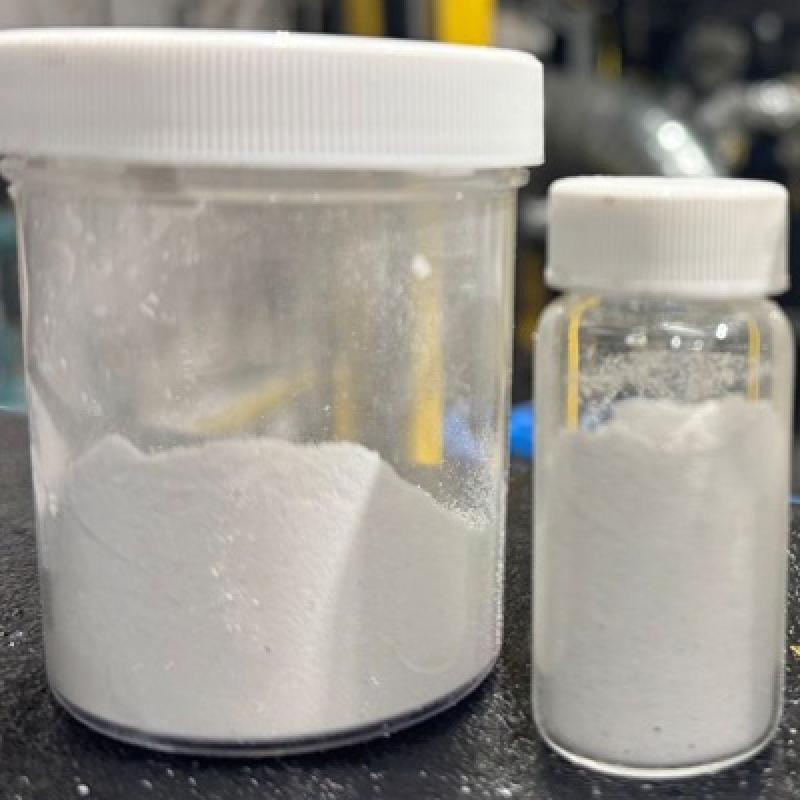
HPQ Silicon Inc.’s (HPQ-X) subsidiary is planning a joint venture (JV) with an unnamed company to operate a commercial-scale fumed silica facility to sustainably produce a material used in pharmaceuticals, paints and cosmetics.
Based in Montreal, the subsidiary HPQ Silica Polvere Inc. (HSPI) is part of the proposed JV. HSPI is the firm behind the Fumed Silica Reactor (FSR) technology, which would be used in the plant.
The facility is designed to produce 1,000 tonnes of fumed silica per year and is expected to be manufactured and designed by HPQ’s technology partner PyroGenesis Inc., a fellow Montreal company.
The unnamed JV partner has secured the project financing, HPQ said in a release. The project’s value is estimated to be over $27 million.
“While this remains subject to technical validation and final agreements, it reflects tangible market interest in deploying our technology at scale,” Bernard Tourillon, president and CEO of HPQ and HSPI, said in the announcement.
Sustainable Biz Canada has reached out to HPQ for additional comment. PyroGenesis declined an interview for this article.
How the JV may be arranged
The JV is expected to own and operate the facility, with the fumed silica sold under an offtake arrangement to the unnamed partner. HSPI would receive recurring royalties on each kilogram of fumed silica sold.
Finalizing the agreements for the JV will depend on third-party testing and validation of fumed silica from a pilot plant, HPQ said in the announcement.
PyroGenesis had also announced last Thursday a U.S.-based laboratory confirmed the fumed silica met the requirements to advance testing. The unnamed JV partner purchased 50 kilograms of fumed silica for further testing, which is expected to be complete within six weeks.
The companies expect to complete negotiations and execution of the JV by the end of Q2, but stressed it remains a non-binding memorandum of understanding.
If the JV is finalized, the delivery and commissioning of the commercial-scale facility is expected within approximately 12 months after its closing.
Once the facility is commissioned, HPQ’s management believes it would support more projects of a similar or larger capacity. It would position “the technology as a repeatable industrial solution,” the company said, “rather than a one-off installation.”
PyroGenesis, which was “actively involved” in negotiations of the JV, is in the final stages of exercising its option to acquire a 50 per cent interest in HSPI, as previously announced in 2024.
About the Fumed Silica Reactor
The FSR converts quartz into fumed silica using a plasma technology rather than the traditional chemical-based model, eliminating toxic byproducts such as hydrogen chloride. The technology is designed to generate up to 60 per cent fewer carbon emissions compared to conventional fumed silica production, Tourillon previously told Sustainable Biz Canada.
Fumed silica is used in many industries for its thickening, anti-caking and reinforcing properties, such as cosmetics, pharmaceuticals, food, paints and construction materials. For example, it can be blended with carbon black to improve the efficiency of tires or mixed with graphite to enhance the conductivity of batteries.
“On-site production using our FSR plant would represent a significant development for manufacturers that rely on fumed silica,” P. Peter Pascali, president and CEO of PyroGenesis, said in the company’s announcement of its involvement in the planned JV project.
“Localized production at, or near, the point of use fundamentally restructures the supply chain, streamlines logistics, and secures reliable access to material that is critical to manufacturing operations."


 Industry Events
 Locations