Locations





Four Ontario utilities are partnering with Ottawa-based BluWave-ai to better understand when is the best time to charge an electric vehicle (EV), avoiding strain on grids and ensuring a clean top-up.
Oshawa Power, Oakville Hydro, Enova Power and Essex Powerlines are participating, bringing in thousands of EV owners in their service areas who can connect to BluWave-ai’s EV Everywhere platform when charging their car.
Users can provide data on their charging behaviour so grid operators can optimize for the lowest-carbon charge and avoid bottlenecks to the local electricity system.
“Think about a traffic jam,” Devashish Paul, CEO and founder of BluWave-ai, said in an interview with Sustainable Biz Canada. “If there is a traffic jam, we don’t want to add more traffic.”
The utilities “can use EV Everywhere to basically reduce the strain on the grid, cut down capital costs . . . and basically reduce the cost of electricity for their rate payers,” he said.
Utilities take proactive steps with EV Everywhere
The latest partners have large suburban areas packed with EV drivers, Paul said, and are not planning to develop their own software to manage EV demand. Additionally, the utilities wanted to work with a Canadian company. This gave BluWave-ai an opening to collaborate.
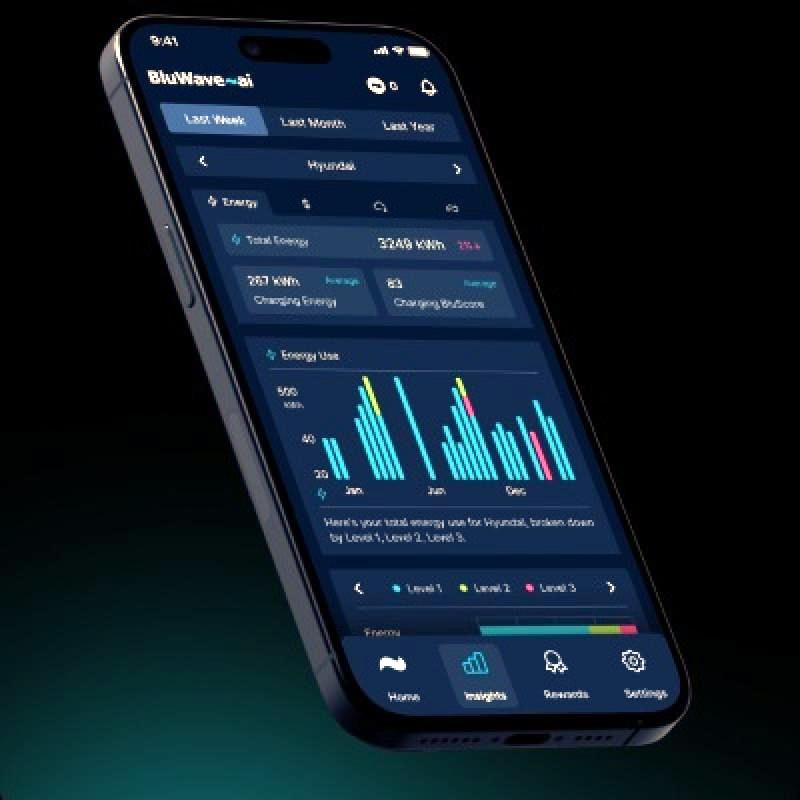
Under the partnership with the four Ontario utilities, EV drivers in the service areas have the option to opt-in to EV Everywhere. The platform monitors grid activity, checking when low-carbon sources such as hydro, nuclear or renewables are available to charge an EV and avoiding peak hours when electricity is at its highest demand and cost.
EV Everywhere utilizes artificial intelligence to predict where there is going to be an “electricity traffic jam,” Paul said, giving EV drivers the choice to delay their charge to a time when there is less strain or charge beforehand.
The platform has been found to reduce peak demand by up to 32 per cent, BluWave-ai said in a release, by managing the surge caused by EVs scheduling charging at the start of low overnight rate periods.
This service from the company could potentially save utilities tens of millions of dollars on expensive hardware upgrades, Paul said. EV Everywhere could defer $2.3 million to $7.9 million in infrastructure spending per 1,000 EVs, BluWave-ai said in the release, depending on local grid conditions.
The savings trickle down to ratepayers, Paul said, particularly with thousands more EVs expected to hit Ontario’s roads every year and electricity-hungry data centres being developed.
Through its participation in the initiative, Oakville Hydro is “taking a proactive approach to managing future electricity demand,” Jeff Mocha, its chief operations and electrification officer, said in the release.
In 2024, Ontario’s Independent Electricity System Operator (IESO) forecasted the province’s electricity demand would spike 75 per cent by 2050 from factors such as industrial activity, data centres, electrification and population growth.
Energy efficiency measures from technologies like EV Everywhere were promoted by the IESO to handle the expected hunger for electricity, as well as increased generation and storage capacity.
BluWave-ai's autopilot technologies
The partnership with the four utilities builds on BluWave-ai’s collaboration with Hydro Ottawa for EV Everywhere.
BluWave-ai hopes to have half of EVs in the four utilities’ service areas on its platform, Paul said. If the Ontario Energy Board approves the company’s analysis of how EVs affect power demand on the grid, Paul hopes the latest partnerships can transition into multimillion-dollar contracts after a one-year phase of testing and rollout.
“This is the first step over the next four seasons of testing the impact of EVs on the grid congestion and rewarding the customers,” he said.
BluWave-ai is working on a financing round to scale out not just EV Everywhere, but its Energy Storage Autopilot and Data Center Autopilot technologies. The company has already onboarded Canadian investors to the fundraise, Paul said.




 Industry Events
 Locations