
 Locations



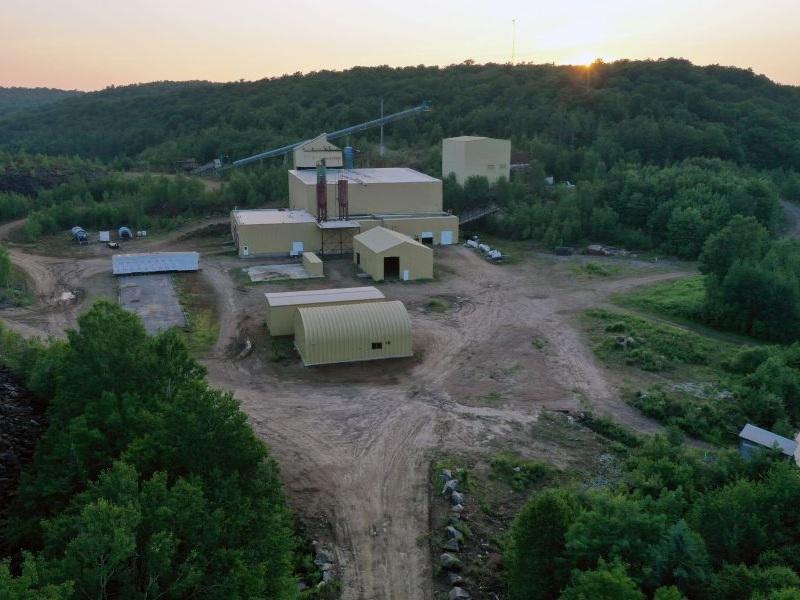
Global Battery Materials Corp. wants to reopen an Ontario graphite mine and produce anode materials from the ores, creating a North American source of a critical mineral that can be used to make the battery component.
Founded in 2025 and based in Toronto, Global Battery Materials plans to contend in a sector dominated by China, which controls the bulk of the world’s graphite production and refining. Geopolitical tensions between the West (including Canada) and China have put pressure on Western economies to detach from Chinese critical mineral supply chains.
“Our mission is to deliver a non-Chinese option for graphite, critical mineral and anode products,” Eric Miller, the CEO of the company, said in an interview with Sustainable Biz Canada.
To achieve this, Global Battery Materials has a blueprint for a strategy centred around Canada and South Korea, aimed at supplying thousands of tonnes of graphite and anode materials per year.
That stream is aimed at sectors critical to the energy transition such as electric transportation and grid-scale batteries, plus other large industries like electronics and defence.
Re-opening a graphite mine
The mine Global Battery Materials plans to restart is in Kearney, Ont., a town west of Algonquin Provincial Park. Mining took place until the early 2000s, Miller said, with the previous owner pulling out large flake graphite for non-battery uses.
Global Battery Materials (then a new company forged when the Canadian assets of G6 Energy Corp. acquired South Korean firm SongWoo EM Co., Ltd.) obtained the site in 2025 after another company’s attempt to resurrect the site faltered, Miller explained.
The mine has “great” access to the infrastructure and talent the company needs, Miller said, and benefits from past investment which would accelerate the process of re-opening the site. Global Battery Materials has some permits for the mine in place, he added.
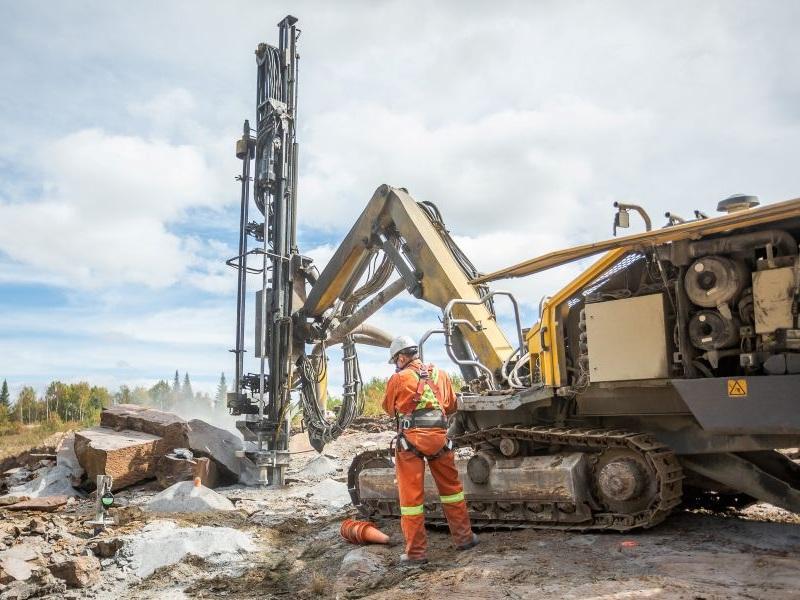
Global Battery Materials says the mine has 23 million tonnes of proven and probable graphite reserves, with the capacity to pull out 100,000 tonnes of graphite per year for over 20 years. The company hopes to have the mine operating by late 2027 to early 2028.
Graphite samples from Kearney have been sent to Global Battery Materials’ metallurgy lab in Quebec. There, the company takes raw graphite from the mine and concentrates it to various purity levels and particle sizes. This step demonstrate its ability to make make anode-grade feedstock that can meet a variety of customer needs.
“We’ve had favourable responses from customers,” Miller said about the samples which have been shipped to US.-based customers for qualification. The company’s next step is converting that traction into binding offtakes and letters of intent, he continued.
The South Korean link
With a source of graphite in place for North American anode materials production, Global Battery Materials plans to to leverage its pilot production in South Korea, a major battery player, to produce anode samples that can be demonstrated to potential customers at a scale and quality that can become offtake agreements.
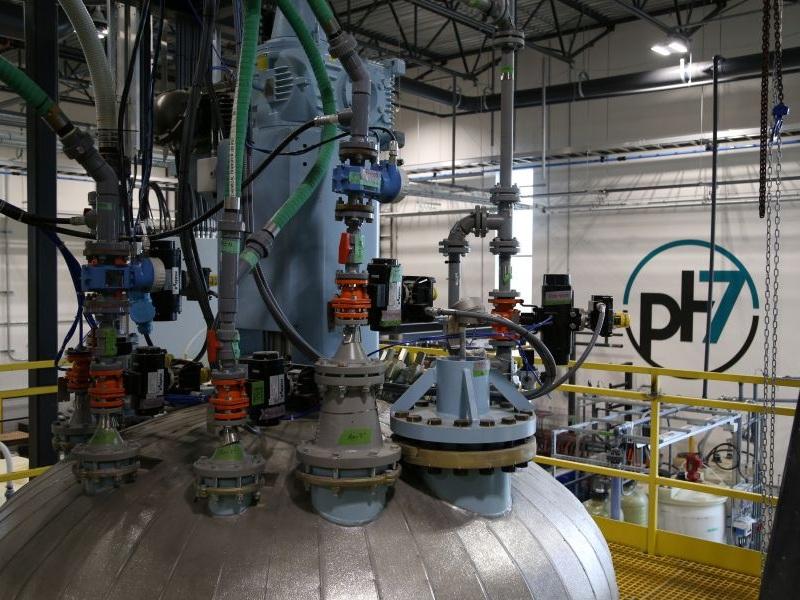
Here, the SongWoo EM part of Global Battery Materials kicks in. The company owns a pilot facility and lab outside of Incheon International Airport that can produce up to 1,000 tonnes of anode materials per year.
“We have a huge advantage with this technology and this demonstration plant,” Miller said, noting it would take several years and tens of millions of dollars to build similar infrastructure and intellectual property from the ground up in Canada if it did not acquire SongWoo EM.
A North American anode materials site
Entering full commercialization will require much bigger anode materials production. Global Battery Materials is searching for a site in North America, including Southern Ontario, to host such a facility. It is targeting up to 50,000 tonnes of anode materials per year.
Buyers are anticipated to be companies in the battery energy storage, electric vehicle, artificial intelligence infrastructure, electrical grid, aerospace, drone and consumer electronics sectors.
Global Battery Materials is working with its partners and South Korean supply base for the North American anode materials facility. The company has initiated talks with North American suppliers and engineering firms as well. The plan is to start construction of the facility in 2027 and start supplying clients by the end of 2028.
When asked what makes Global Battery Materials stand out in a Canadian critical minerals field that is becoming more crowded every year, Miller replied, “our ability to move quickly – speed to market – that is an advantage that I think few can replicate.”
Having raised tens of millions of dollars to re-open the Kearney mine, Global Battery Materials is looking to raise more. Developing the North American anode facility would demand hundreds of millions of dollars, Miller said.
As it moves to secure more financing, the company is also focused on hiring, engaging with the communities that will be near its projects, and finding offtakers.


 Industry Events
 Locations