
 Locations
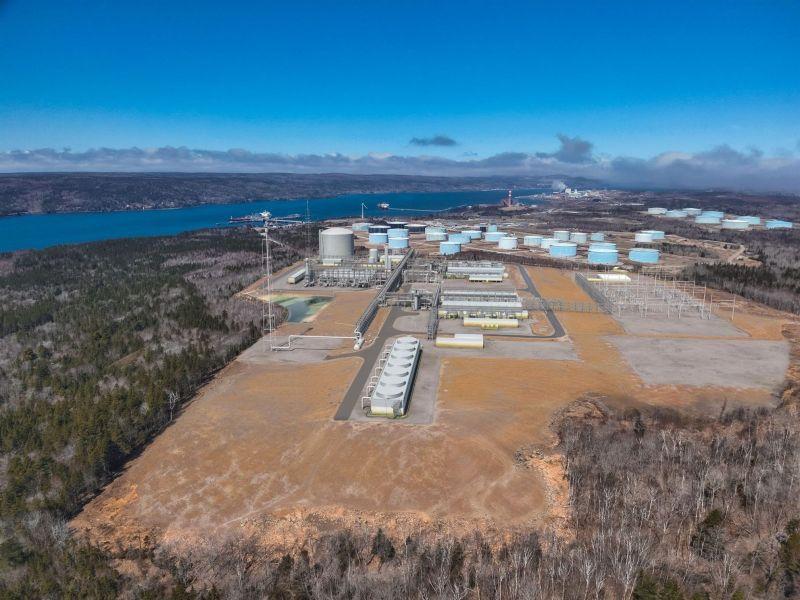


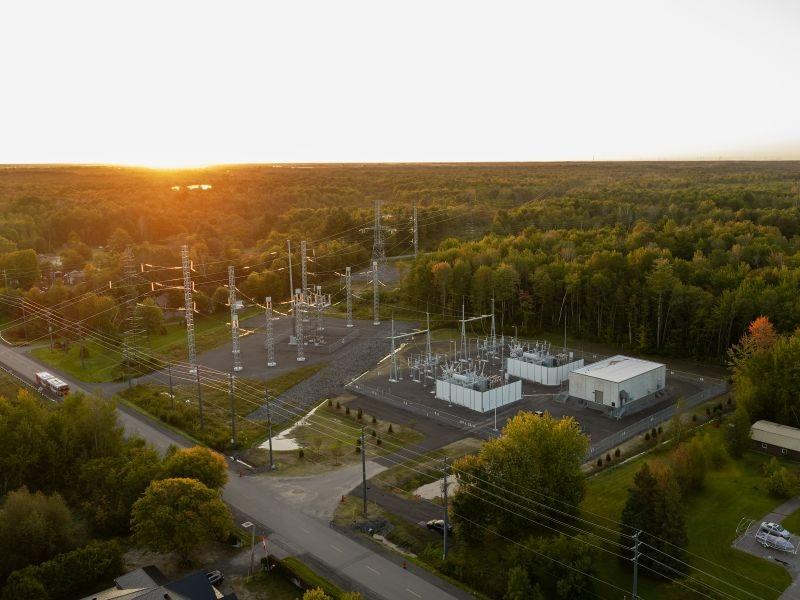



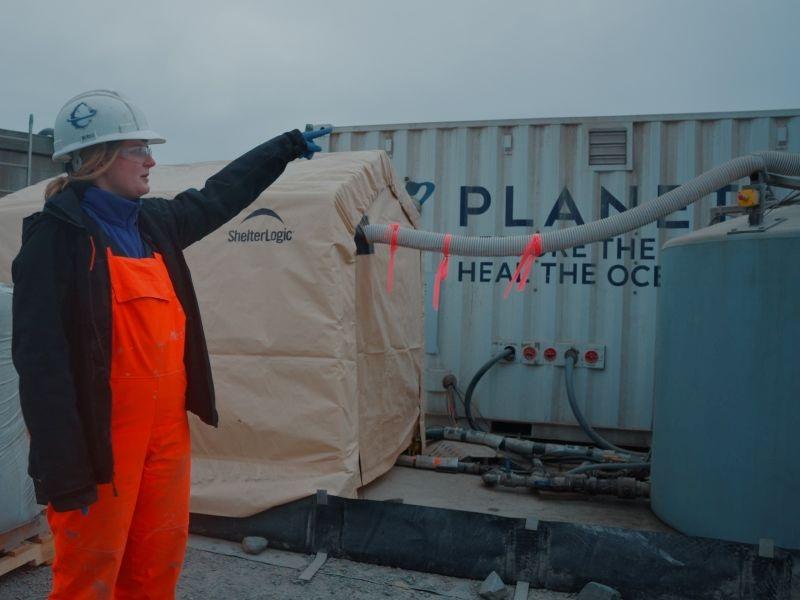
The MaRS Discovery District is helping five Canadian cleantech startups reach their first commercial-scale projects with its First-of-a-Kind (FOAK) Lab, a program aimed at overcoming some of the biggest hurdles in the sector.
Announced Wednesday, the FOAK Lab is a nine-month program starting with Calgary-based Carbonova Corp., Montreal’s Exterra Technologies and Green Graphite Technologies, Ottawa-headquartered Hyperion Global Energy and Halifax-based Planetary Technologies. The technologies developed by the companies range from recycling graphite to removing carbon via the ocean.
Companies like the ones in the cohort face a “persistent gap” in capital, technology risk tolerance and founder expertise, MaRS said. Commercializing the projects often demands complex, unconventional financing structures, making it challenging to secure financing. MaRS calls this stage “the missing middle within the missing middle.”
The goal with the FOAK Lab is to close this gap by connecting the startups to the partnerships, financing strategies and expertise to get their first commercial projects operating.
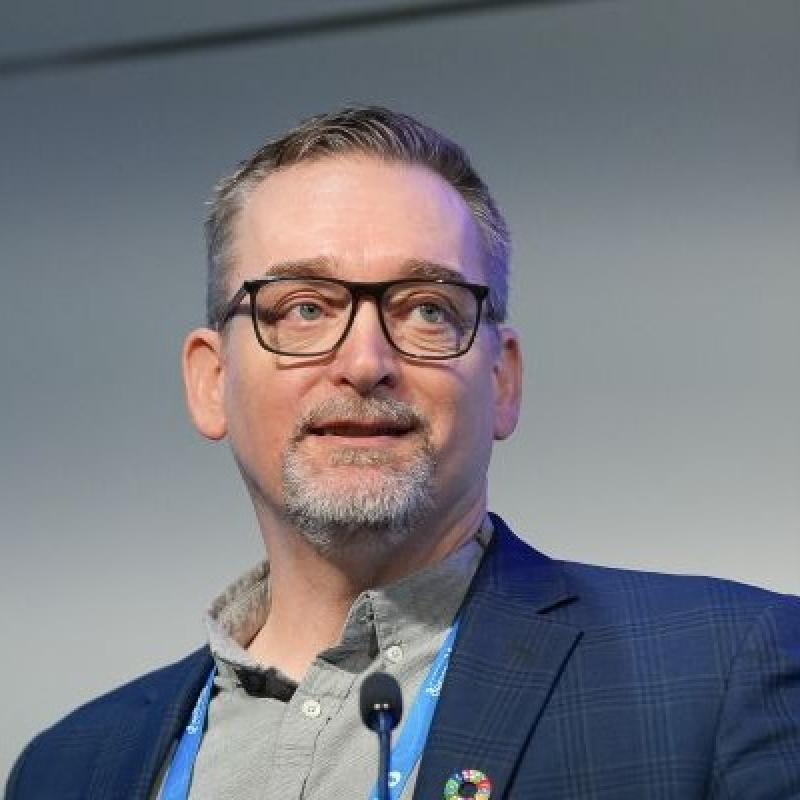
“We’re great at innovation, but we have to really put a lot more focus on helping to scale and keep that intellectual property, that talent within Canada,” Tyler Hamilton, senior director of climate at Toronto-based MaRS, said in an interview with Sustainable Biz Canada.
Bridging the missing middle
The five companies will have access to advisory teams from the University of Toronto’s Global Climate Finance Accelerator to build fundable project models and project finance training from PwC. Additionally, MaRS will connect the startups to its investor network and U.S.-based advisory firm Precursor, Hamilton said.
Such assistance is critical, given the Canadian cleantech industry’s struggles to reach the scale-up stage, Hamilton added. While Canadian cleantech players excel in innovation, reaching the FOAK project phase and commercialization is a particular hurdle, he continued, particularly for hardware-driven companies.
He echoed the thoughts of Tom Rand, managing partner and co-founder of venture capital firm ArcTern Ventures, who spoke at Toronto Climate Week last year. Rand said hardware-based businesses like cleantech have struggled to scale up in Canada and the country suffers from a shortage of risk capital.
In the 2025 Cleantech Industry Survey conducted by Natural Resources Canada, securing commercial capital was found to be the top issue to navigate among companies at 30 per cent, followed by raising sufficient early-stage capital at 22 per cent.
When asked which challenges have made it difficult to access capital, 57 per cent blamed the limited availability of funding opportunities, followed by 49 per cent naming investor reluctance due to perceived risk.
For major struggles with commercialization or bringing a technology to market, 58 per cent of companies said there was insufficient funding for scale-up and growth.
If these barriers are not addressed, cleantech companies are likely to get caught in the cycle where they grow to a certain stage and “either can’t get past that missing middle and they go bankrupt, go into receivership, or they end up getting acquired and somebody else ends up scaling them,” typically foreign firms, Hamilton explained.
The expectation is to have the first cohort complete their FOAK projects by early 2029. MaRS plans to track the status of the projects, Hamilton said, publish case studies.
About the first cohort
Carbonova has developed a technology which turns carbon dioxide (CO2) and methane into carbon nanofibres. The fibres can be used to make batteries, plastics and construction components. Last year, the company secured $13.6 million in financing to build its first commercial-demonstration unit.
Exterra is behind a process to extract low‑carbon critical minerals such as magnesium oxide from asbestos tailings. Simultaneously, it allows for storing CO2 in the tailings. The company has plans to develop a site in southern Quebec for tailings reprocessing, and announced this month it raised $20 million toward the project.
Green Graphite is the developer of a sustainable graphite processing platform made to produce battery-grade graphite for electric vehicles. Last December, the Montreal-based firm won the Series A Pitch Award at MaRS Climate Impact. Green Graphite plans to raise US$7 million for a demonstration facility that can produce 50 kilograms of graphite per hour it hopes to have operational in Q2 2027.
Hyperion has created a drop-in carbon capture system that connects to stack emissions, cleans the CO2 and converts the greenhouse gas into a mineral that can be reused or sold.
Planetary is a player in the carbon removal sector. Its team designed a way to modify ocean chemistry to remove CO2 from the atmosphere. The company signed an offtake agreement with Frontier last year to remove over 115,000 tons of CO2 between 2026 and 2030. Planetary was one of two winners of the XFACTOR awards at the 2025 XPRIZE Carbon Removal competition, taking home a US$1-million prize.
MaRS hopes to make the FOAK Lab an annual program, Hamilton said, with potentially hundreds more eligible startups to choose from.



 Industry Events
 Locations